
- Infrastructure and Systems 31
- Security Operations 23
- Infrastructure Security 17
- Identity Security 13
- Networking 12
- GRC 4
- Operational Approach 4
- OSINT Investigation 3
- Identity & Access Management 1
- Operational Resilience 1
Infrastructure and Systems
REPORT – Linux Admin: Network Routing Fundamentals – v1.1.0
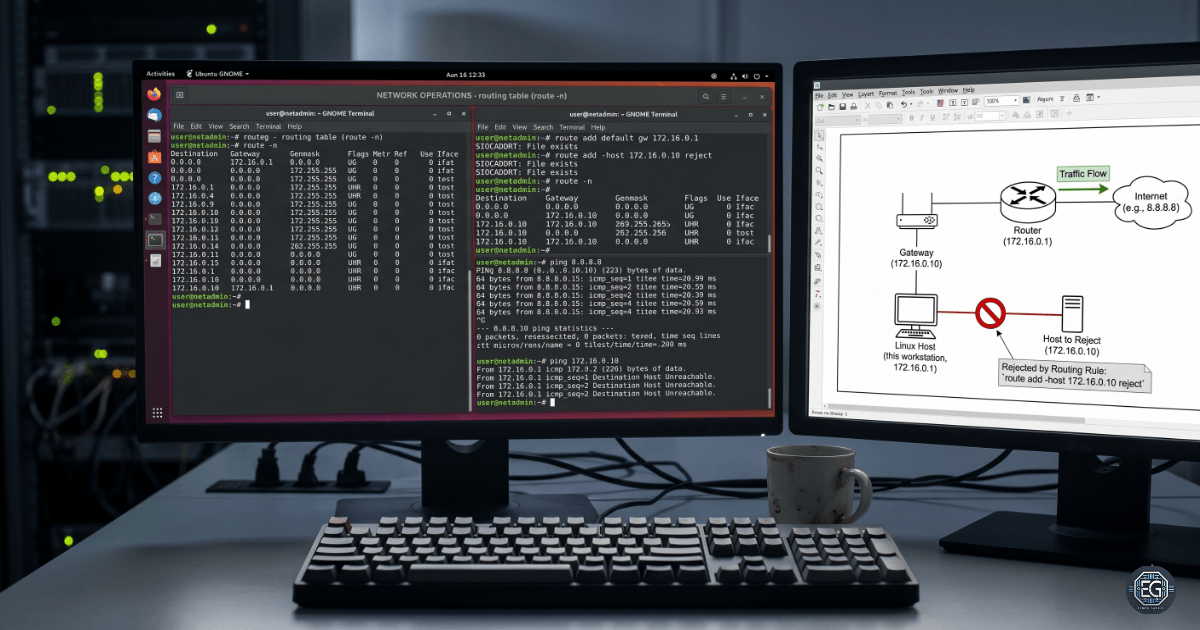
Technical implementation of host-based network routing, including gateway configuration and communication restrictions.
REPORT – Linux Admin: LVM Partition Expansion – v1.0.0
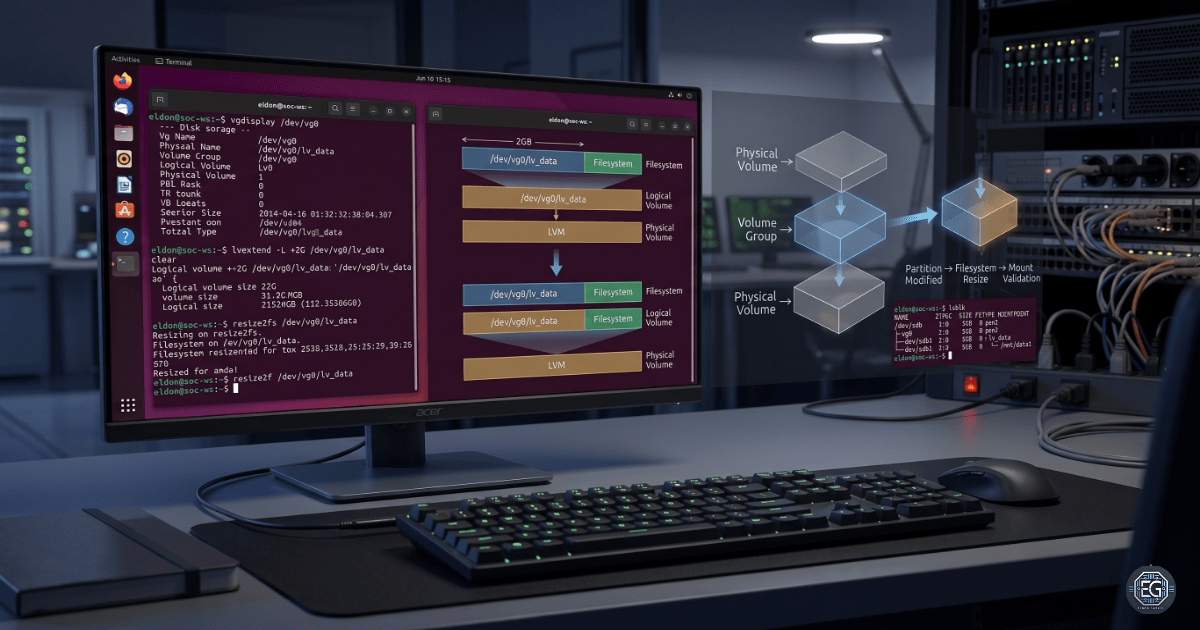
Technical implementation of live LVM logical volume expansion and filesystem synchronization.
REPORT – Linux Admin: Partitioning and Filesystem Lifecycle Workflow – v1.0.0

Technical implementation of disk partitioning and non-destructive filesystem expansion.
SUMMARY – Sudoers Privilege Escalation and NOPASSWD Implementation – v1.0.0

Technical implementation of granular privilege escalation and passwordless execution within the Linux sudoers framework.
SUMMARY – Persistent Terminal Management with Tmux – v1.0.0

Technical implementation of persistent terminal session management using Tmux to support multi-tasking and continuous terminal workflows in Linux.
SUMMARY – Linux System Resources Monitoring (CPU & Memory) – v1.0.0

Technical implementation of Linux system resource monitoring using native command-line utilities to analyze CPU, memory, and swap usage.
SUMMARY – USB Passthrough Instability in VirtualBox (Kali Linux) – v1.0.0

Analysis of USB I/O failures during virtualization, with secure Linux filesystem configuration and execution control.
SUMMARY – Hardware Integrity Investigation: 2TB USB I/O Failure – v1.0.0

Forensic investigation into a persistent I/O failure of a 2TB USB storage device, isolating hardware controller degradation from software-level drivers.
SUMMARY – Operating System Fundamentals and System Operations – v1.0.0
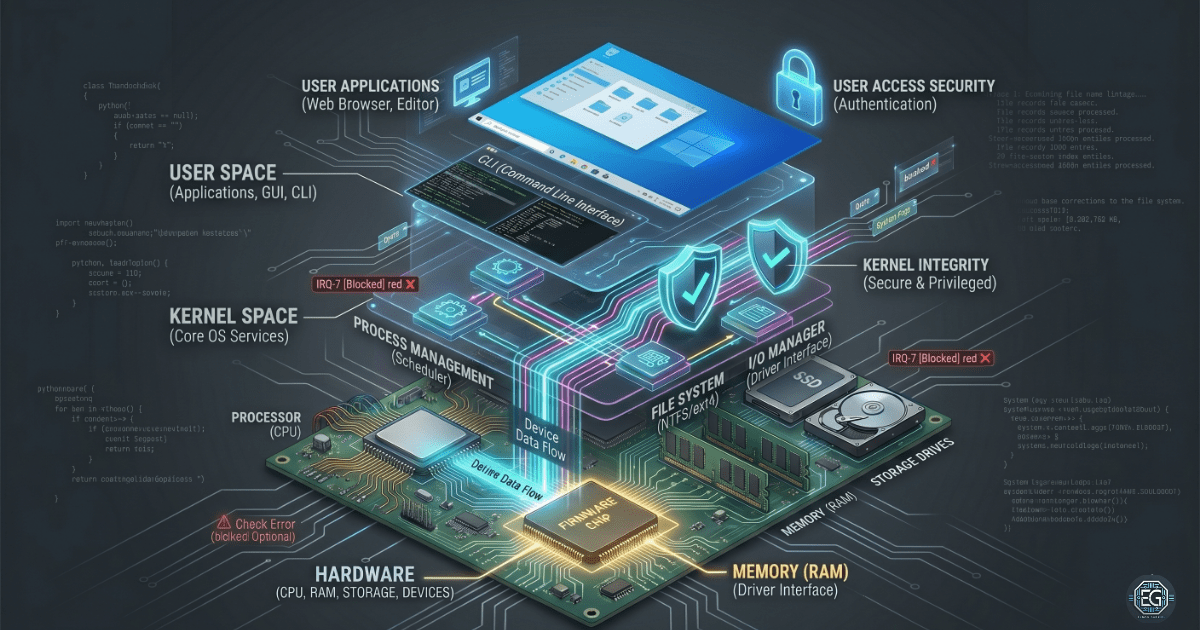
Technical analysis of core operating system components, focusing on kernel operations, memory management, and system interaction.
SUMMARY – BIOS, UEFI, and System Boot Architecture – v1.0.0
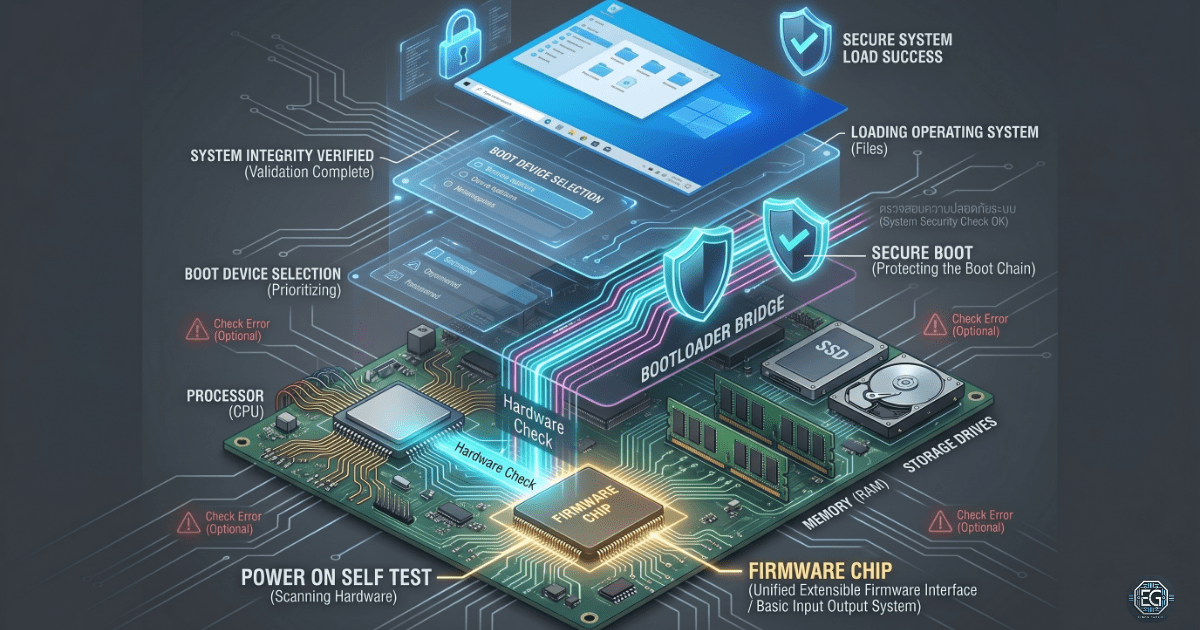
Overview of how a computer starts from power on, including firmware execution, hardware checks, boot sequence, and operating system loading.
SUMMARY – Computer Hardware and Power Infrastructure – v1.0.0

Overview of computer hardware components, focusing on motherboard communication, power supply safety, and connector usage.
SUMMARY – Storage Systems and Data Management – v1.0.0

Technical analysis of storage systems, data size standards, and backup methods to keep data safe and available.
SUMMARY – Memory Architecture and RAM Technologies – v1.0.0
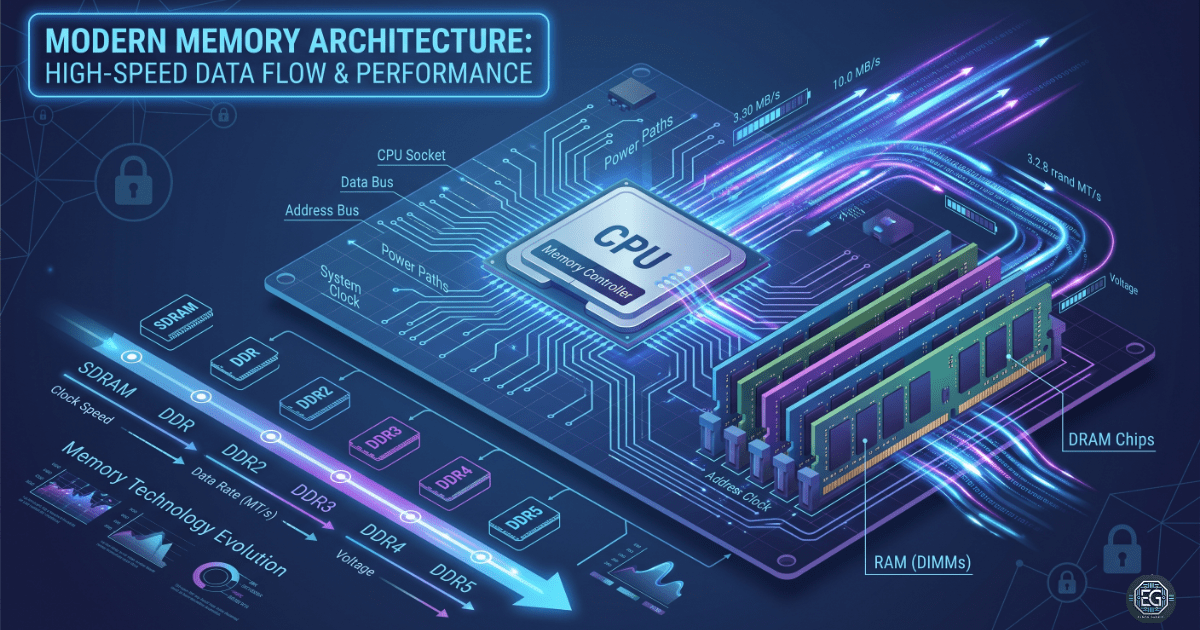
Simple analysis of how RAM works, including DRAM basics, DDR evolution, and how memory affects system performance.
REPORT – Binary Systems, Data Representation and Logic Gates – v1.0.0

Explains how computers use binary, character encoding, and logic gates to process and display data.
REPORT – Windows Disk Management with CHKDSK and FSUTIL – v1.0.0
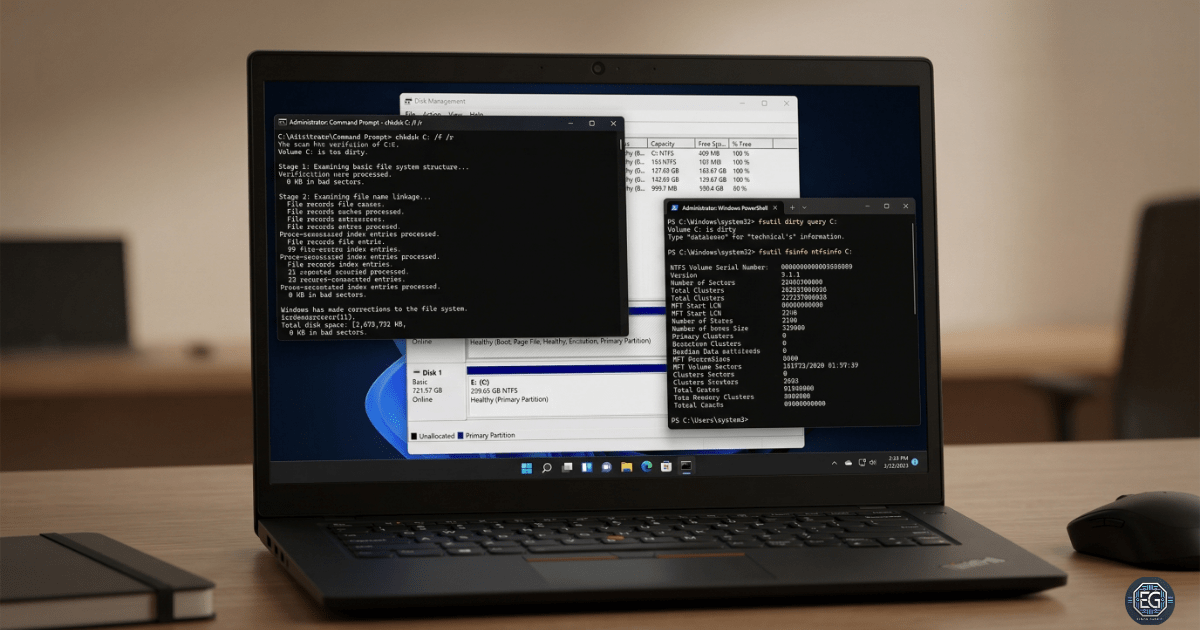
Using Windows tools to check disk health, fix errors, and keep data reliable.
REPORT – USB Storage Failure Analysis and Disk Validation – v1.0.0
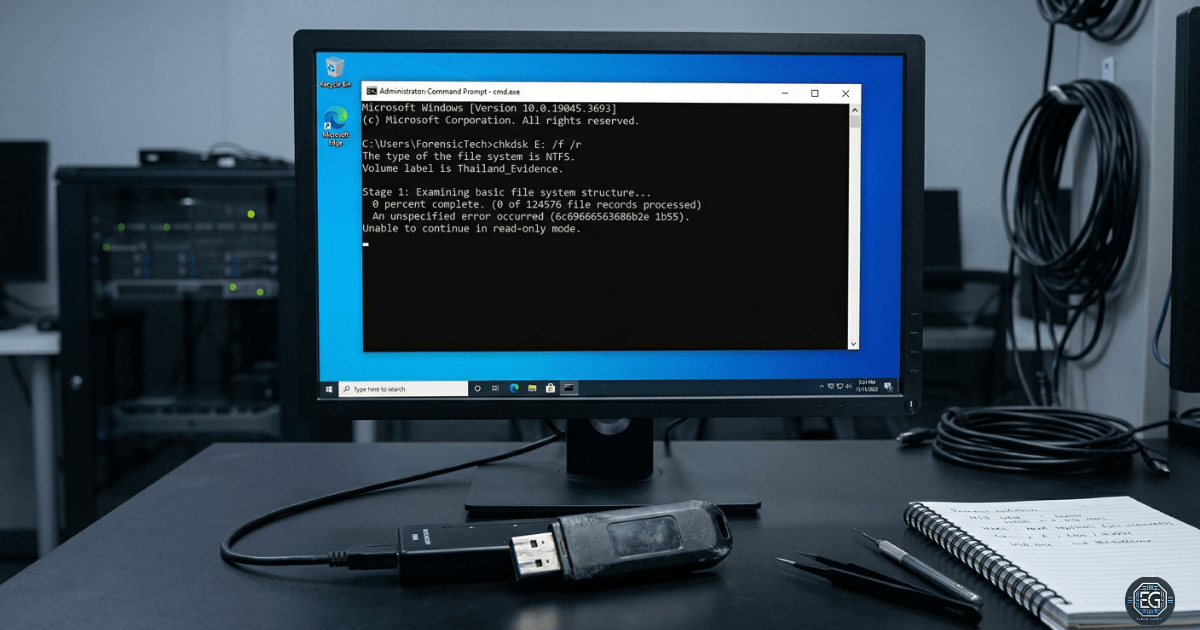
Investigation of a hardware-level USB storage failure, distinguishing between logical filesystem issues and physical I/O failure.
REPORT – USB Filesystem Corruption Due to Improper Removal – v1.0.0
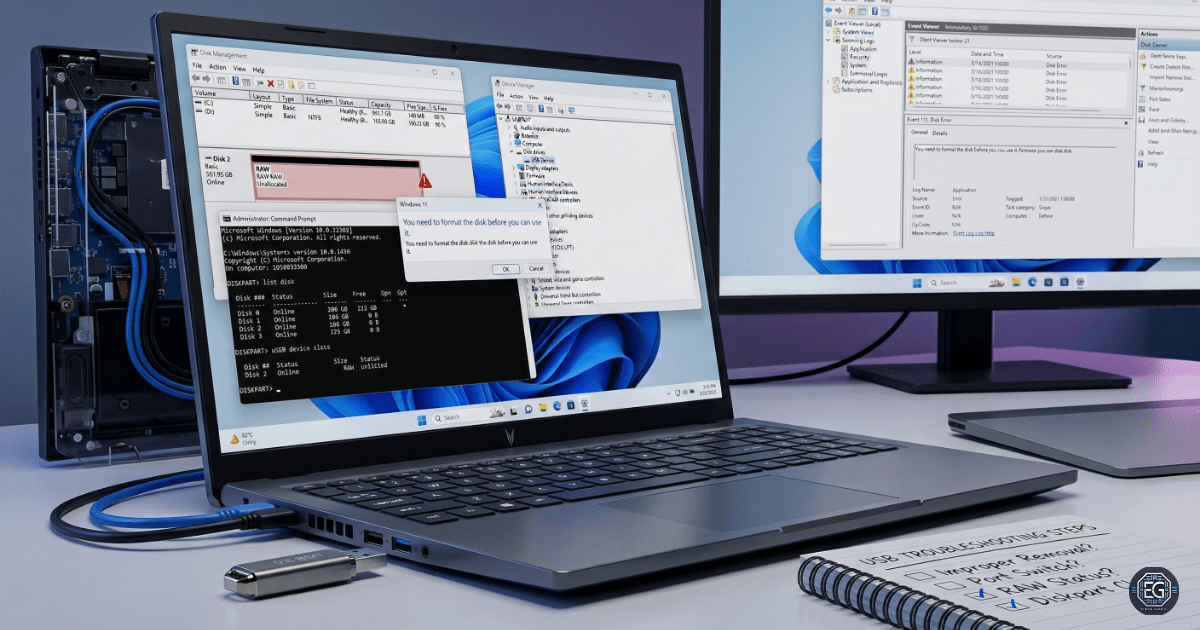
Investigation of a corrupted external USB device following improper removal, focusing on isolating logical filesystem failure from physical hardware damage.
REPORT – Restore USB Access on a Windows 10 VM – v1.1.0

Technical resolution of USB detection failures and volume locks within a virtualized environment, including filesystem repair and stable hardware filter configuration.
SUMMARY – Workstation Power Failure Investigation – v1.0.0

Investigation of sudden workstation shutdowns at a law firm, identifying and remediating a physical layer failure caused by insufficient power supply capacity.
SUMMARY – Enterprise Hybrid-Cloud Migration – v1.0.0
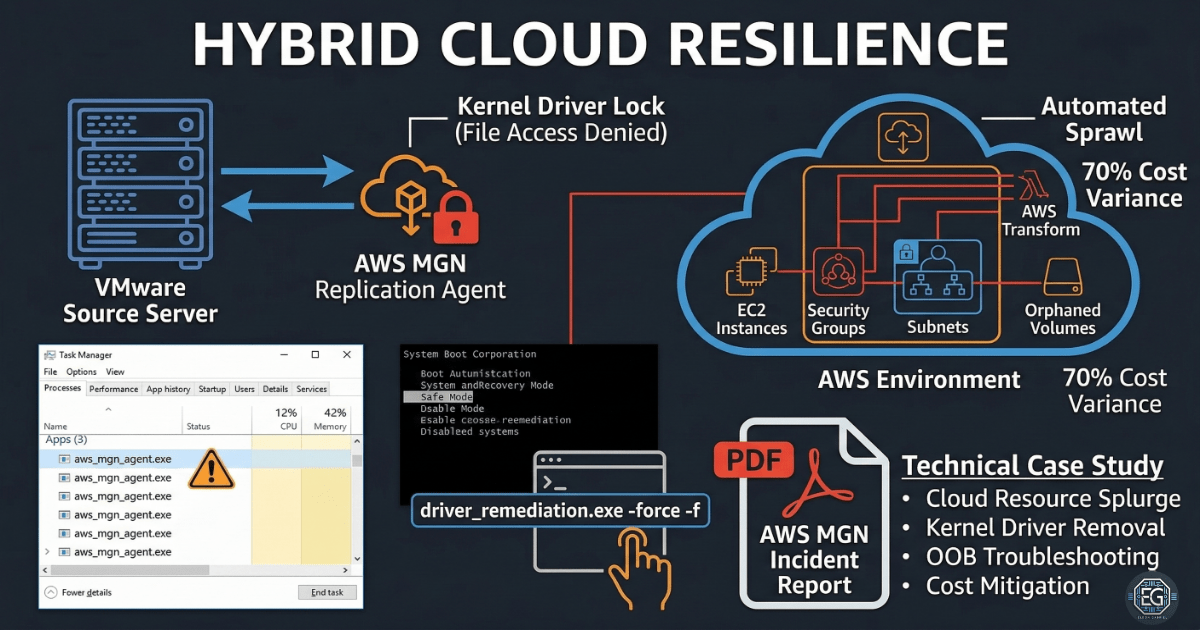
A practical troubleshooting case study on migrating VMware virtual machines to AWS EC2 and resolving kernel driver removal issues from the AWS Application Migration Service.
SUMMARY – vSphere 8 Nested Lab on AMD Ryzen 5 6600H – v1.0.1
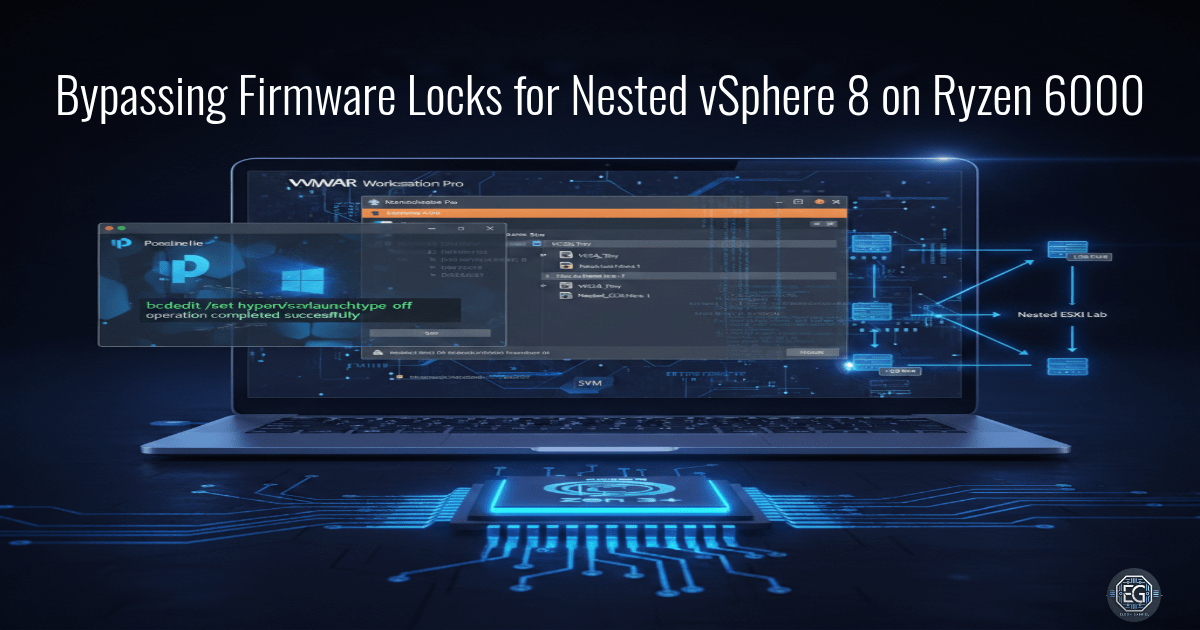
A technical deep-dive into enabling nested virtualization on restricted AMD mobile platforms by bypassing OEM firmware locks and Windows 11 VBS.
SUMMARY – SAR Performance Monitoring on Ubuntu – v1.0.1
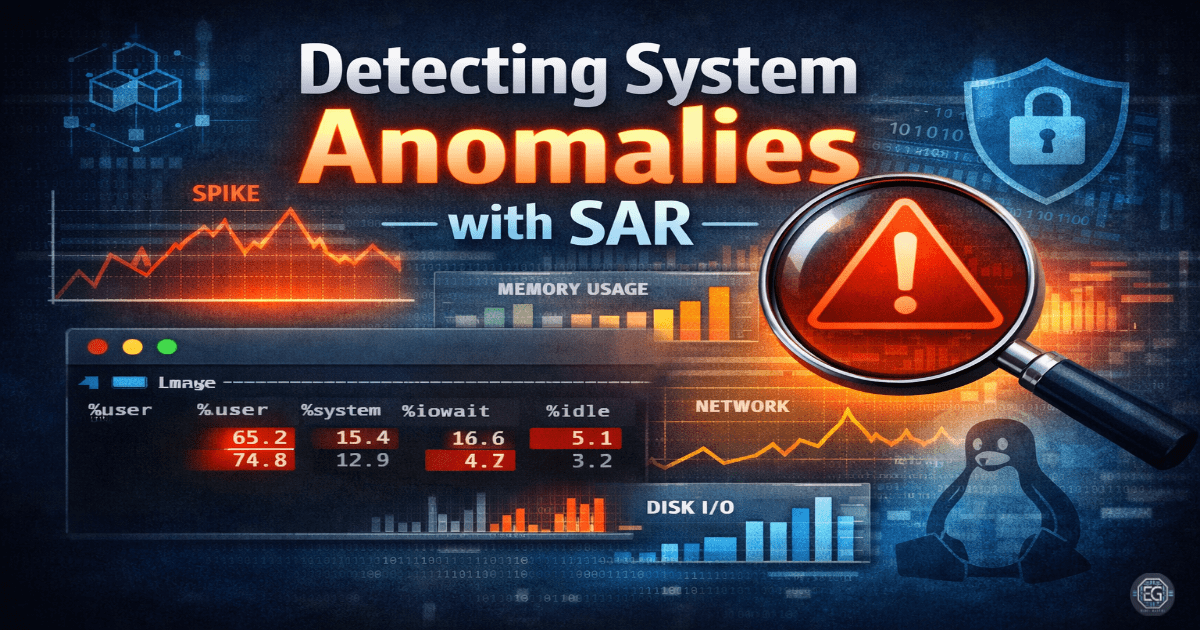
Implementation and analysis of system performance monitoring on Ubuntu using the System Activity Reporter (SAR) to identify resource bottlenecks and abnormal activity.
REPORT – Troubleshooting Remote Access and Network Isolation – v1.0.0
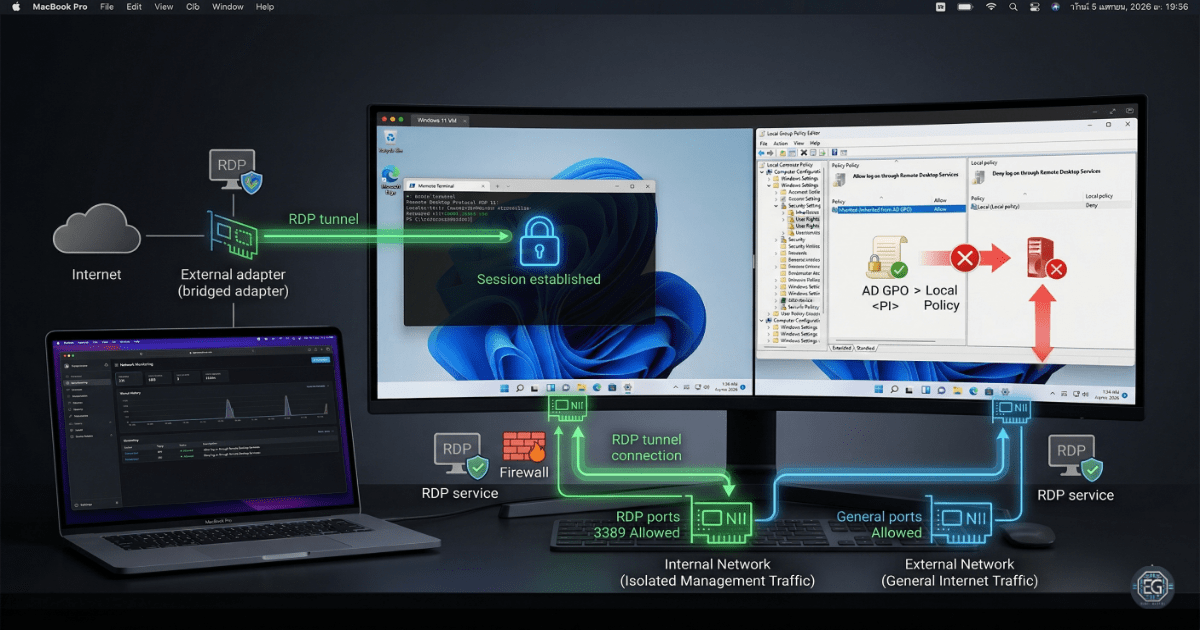
Resolution of connectivity and authentication issues between a macOS host and a Windows VM, involving Group Policy conflicts and dual-homed network design.
GUIDE – UTM Kali Linux Shared Folder Configuration – v1.0.0
Implementation of a persistent shared folder between macOS and Kali Linux using the 9p protocol within the UTM hypervisor.
REPORT – GPO Hardening for Windows Application Control – v1.0.0
Implementation of Group Policy restrictions to prevent unauthorized software installation and harden Windows endpoints against malicious downloads.
GUIDE – Cloud Infrastructure: Windows 10 VM Deployment (GCP) – v1.0.0
An independent lab demonstrating deployment of a Windows 10 virtual machine on Google Cloud Platform, showcasing cloud virtualization, secure configuration, and system administration skills.
GUIDE – Windows System Administration Labs (11 Modules) – v1.0.0
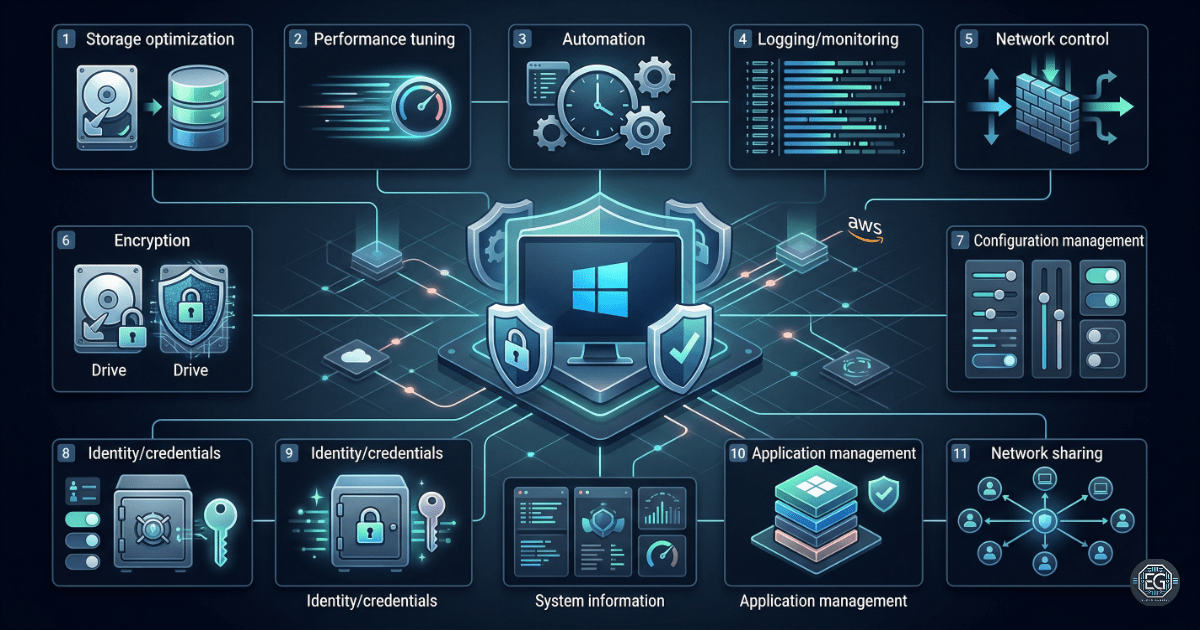
A collection of 11 hands-on labs designed to build Windows administration skills, covering maintenance, troubleshooting, security, and automation — all tested in an AWS-hosted Windows 10 VM.
REPORT – Windows Control Panel Administration – v1.0.0
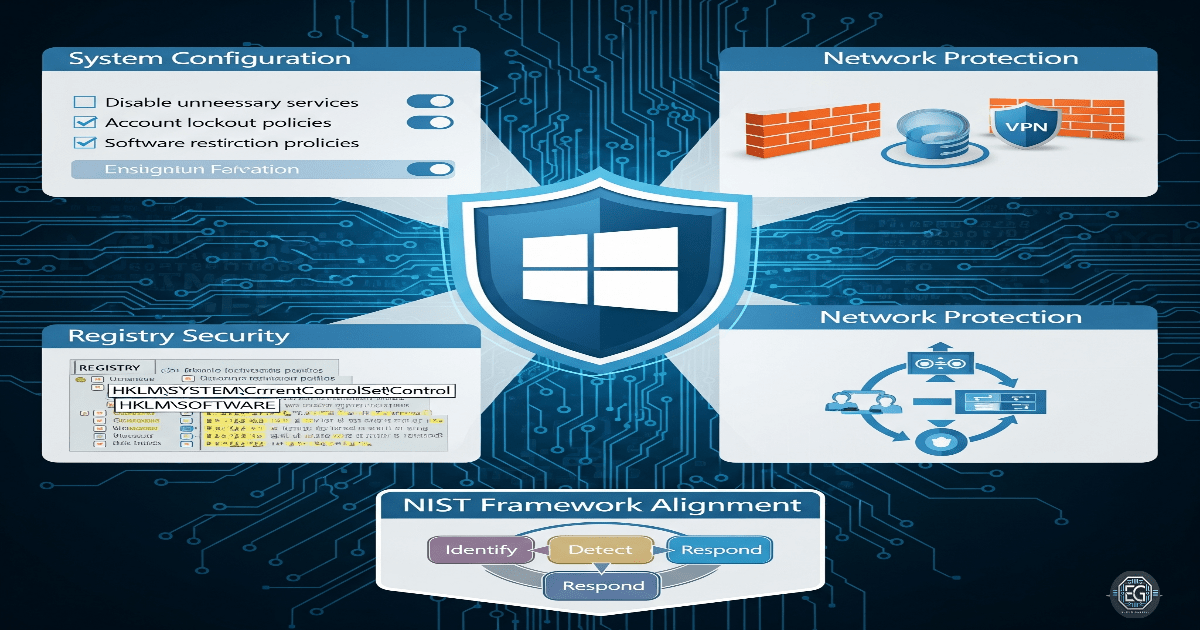
Implementation of system maintenance and security settings using Windows Control Panel tools to improve stability and protect data.
GUIDE – Cybersecurity Virtualization Labs (VMware, WSL, GCP, AWS) – v1.0.0
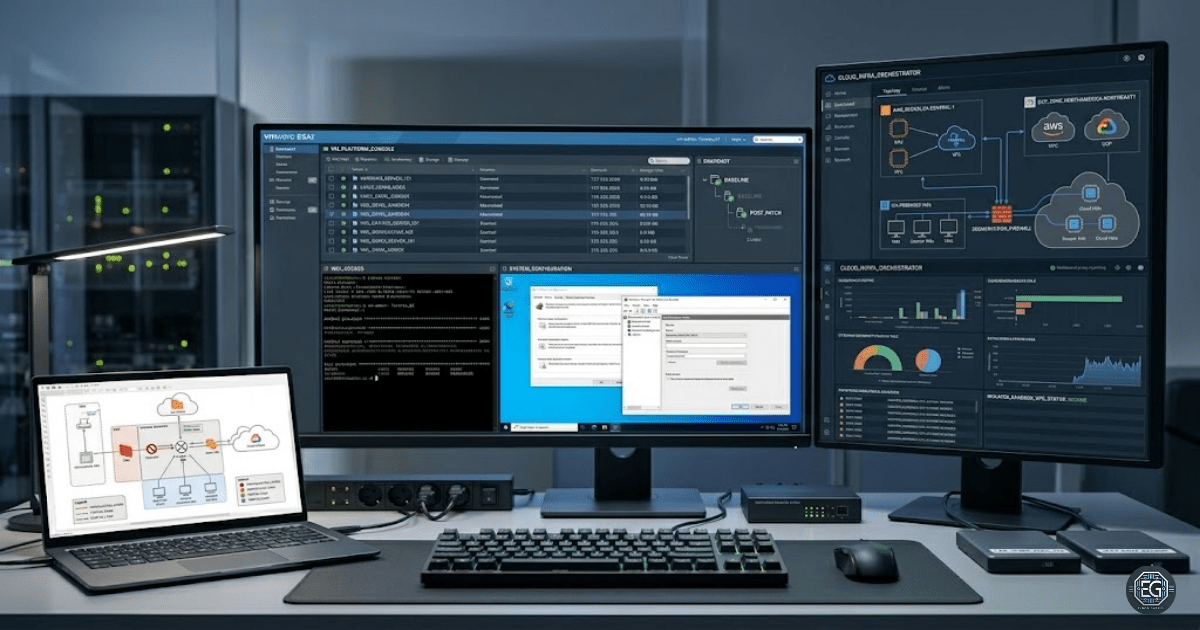
Hands-on virtualization labs across VMware, WSL, GCP, and AWS are building foundational skills for offensive and defensive cybersecurity operations.
REPORT – Linux File Permissions Management – v1.0.2

Implementation of the Principle of Least Privilege (PoLP) by managing Linux file and directory permissions to protect sensitive data.
REPORT – Introduction to Computer Hardware and Processing – v1.0.0

Introduction to core computer hardware components and how they work together to process data and execute programs.
Security Operations
SUMMARY – Linux Automation: ClamAV Security & System Maintenance – v1.0.0

Technical implementation of automated security scanning and system maintenance on Ubuntu Server using ClamAV and the Cron daemon.
SUMMARY – Troubleshooting pfSense DNS Resolution – v1.0.0
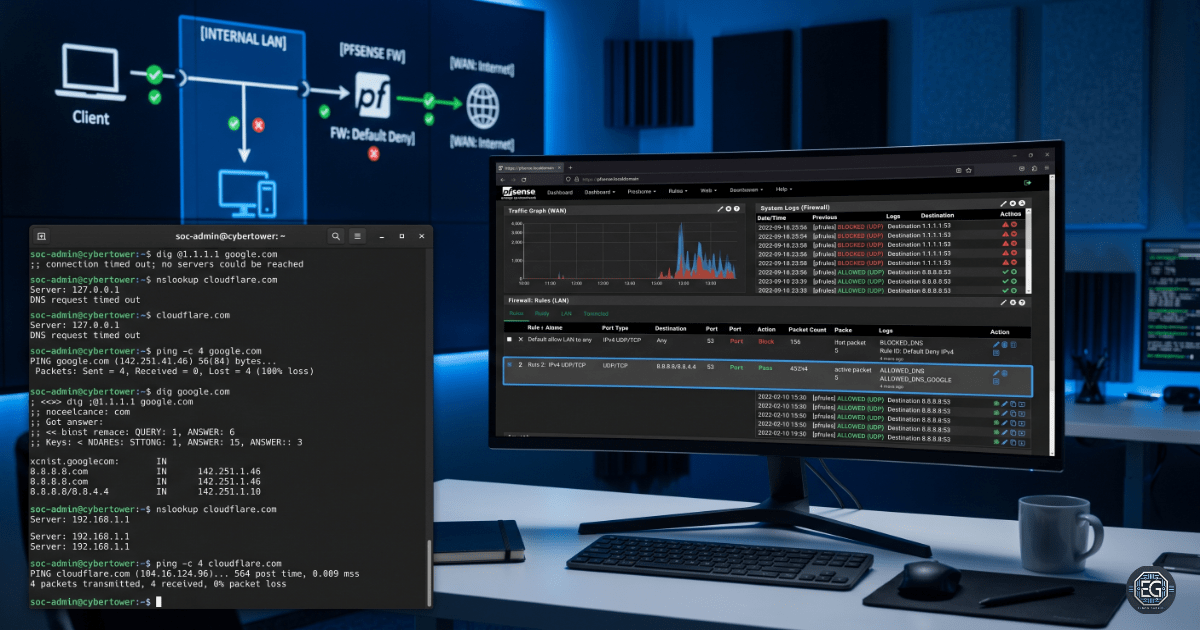
Resolution of DNS failures in a hardened pfSense environment by implementing controlled, explicit DNS access under a default-deny policy.
REPORT – USN Journal Analysis – v1.0.0
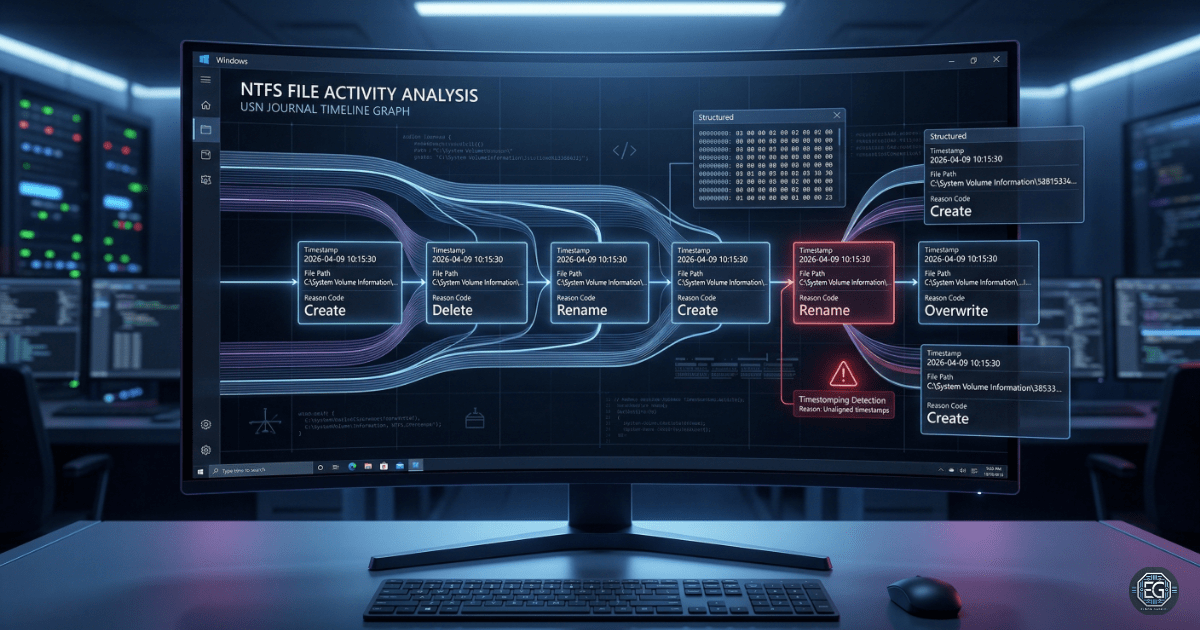
Analysis of the NTFS USN Journal for tracking file activity and building forensic timelines.
SUMMARY – Secure Linux Management with Cockpit – v1.0.1
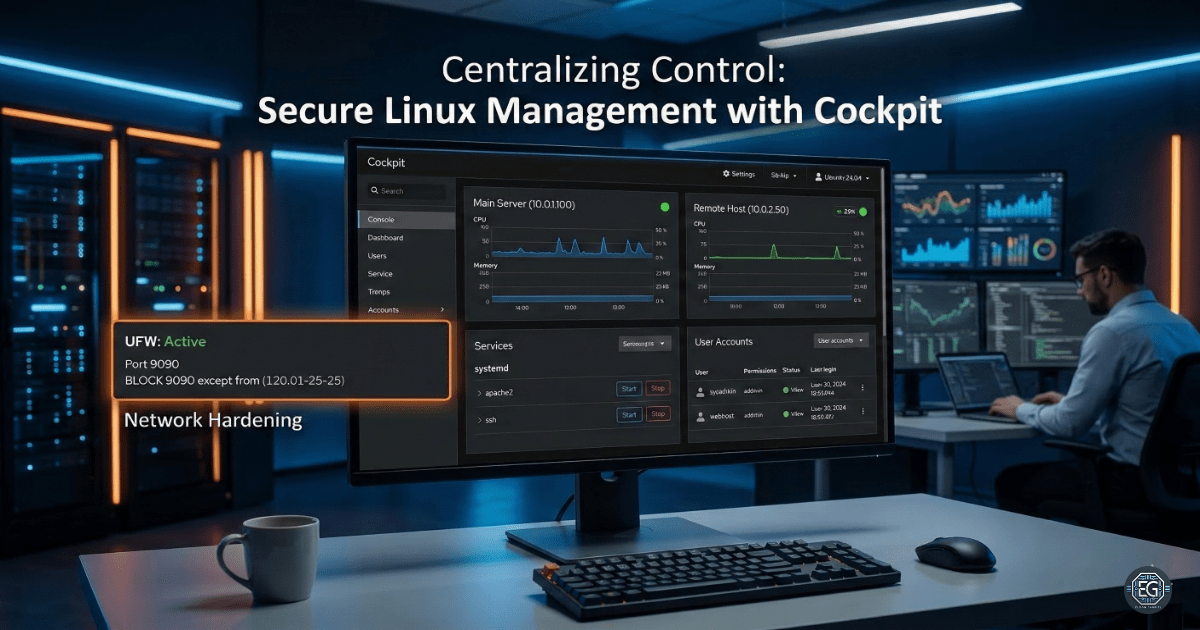
Using Cockpit to manage and secure multiple Linux systems from a single web interface.
SUMMARY – Webmin Secure Administration (Dual-Homed) – v1.1.0
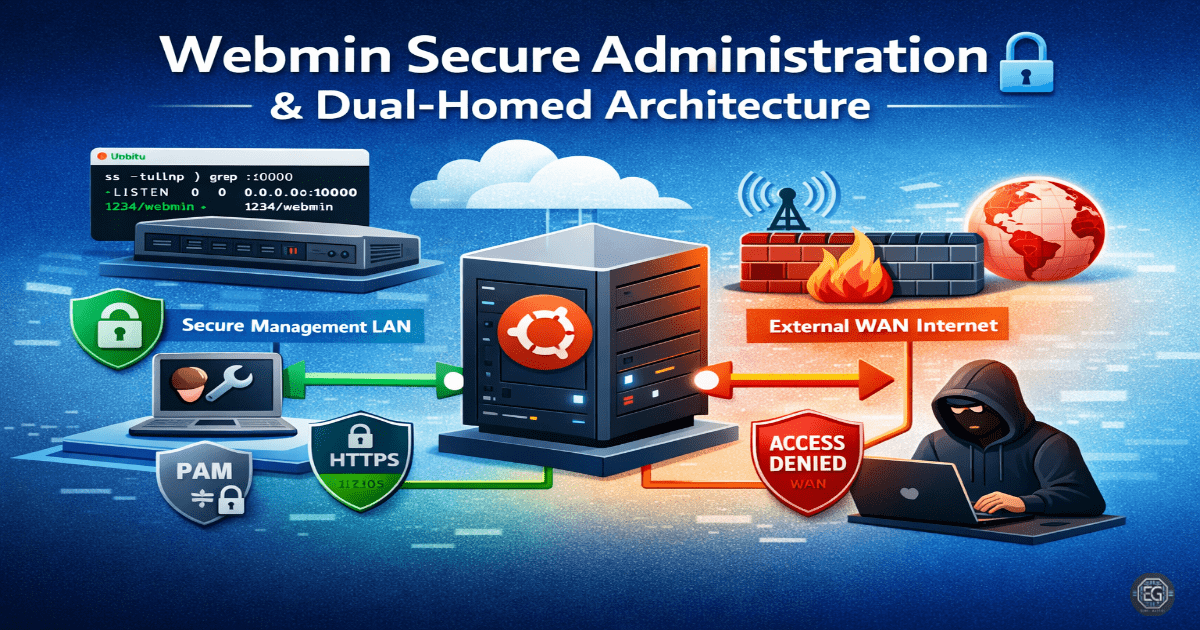
Securing a dual-homed Webmin administration server through PAM-based authentication, interface mapping, and IP-based firewall hardening.
SUMMARY – pfSense IDS Traffic Monitoring and EternalBlue Detection – v1.0.0
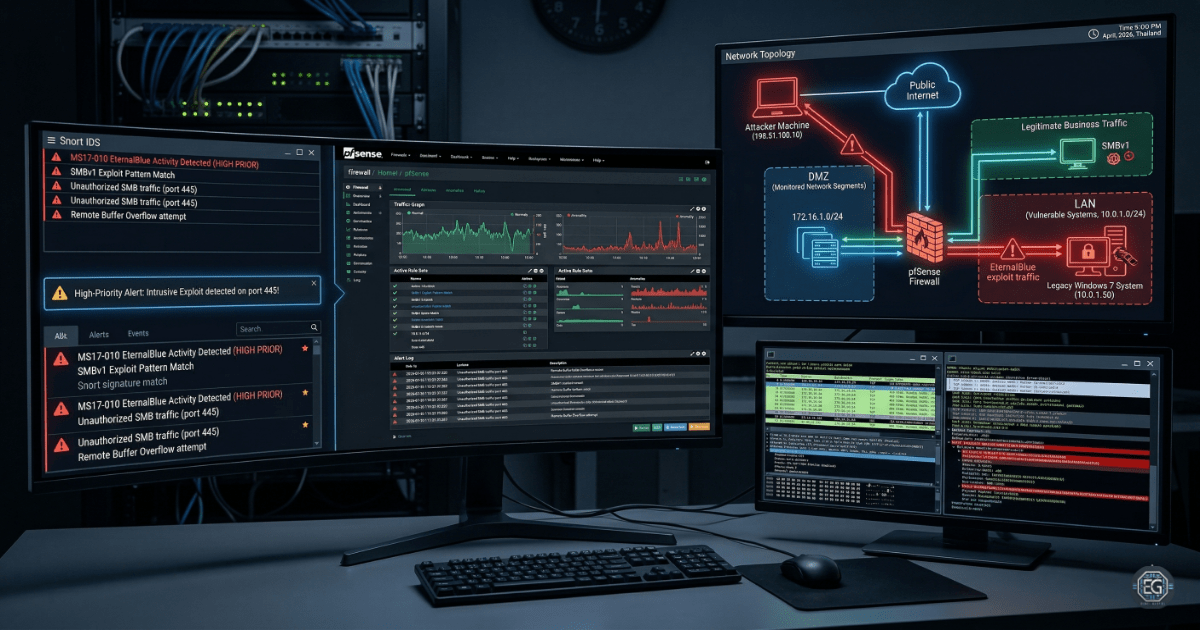
Deployment of a pfSense firewall with Snort IDS to detect and analyze EternalBlue (MS17-010) exploitation in a lab environment.
REPORT – WinRM Secure Configuration and Validation – v1.0.0

Implementation and validation of secure Windows Remote Management (WinRM) protocols to ensure encrypted administrative communication and prevent unauthorized access.
REPORT – SMB Hardening for Credential Theft Protection – v1.0.0
Implementation of SMB signing, protocol deprecation, and session limits to protect against credential theft and relay attacks.
SOP – System Hardening: Windows Defender GPO – v1.0.1

Implementation of an immutable endpoint security baseline using Local Group Policy to harden Windows Defender against unauthorized modification and malware.
SOP – Anonymous Access Restriction & Recon Hardening – v1.0.2
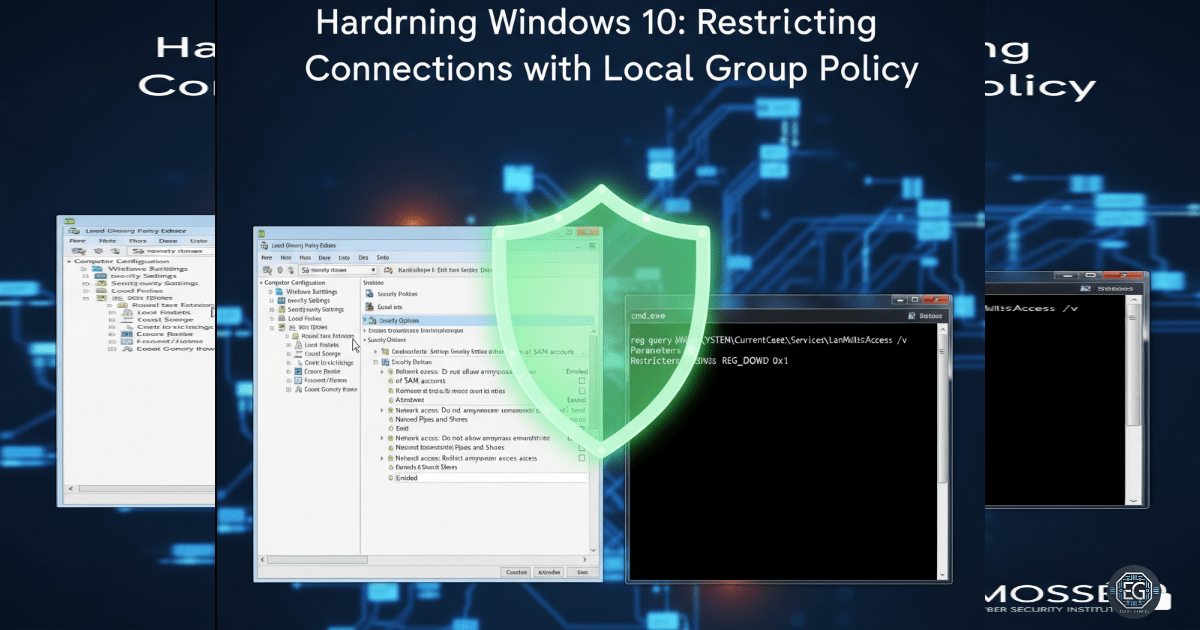
Implementation of Local Group Policy restrictions to prevent anonymous enumeration and null session reconnaissance against Windows endpoints.
REPORT – OS Patching Enforcement via Local GPO – v1.0.0
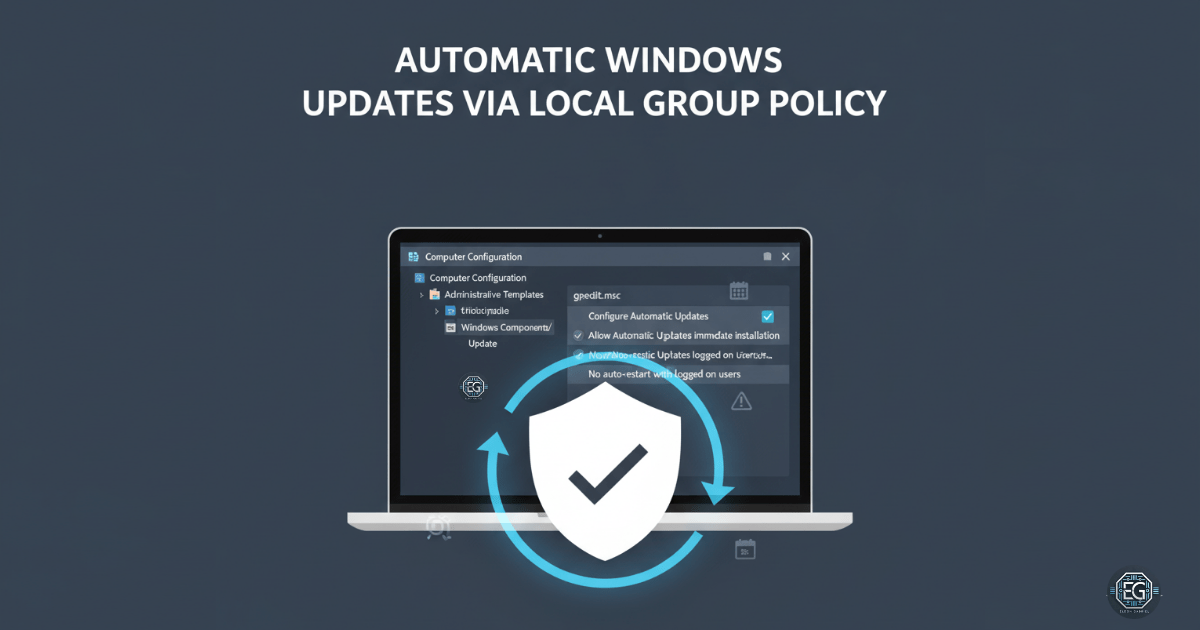
Implementation of automated operating system patching policies via Local Group Policy to balance system security with operational availability.
REPORT – Hardening Microsoft Edge via Local GPO – v1.0.0
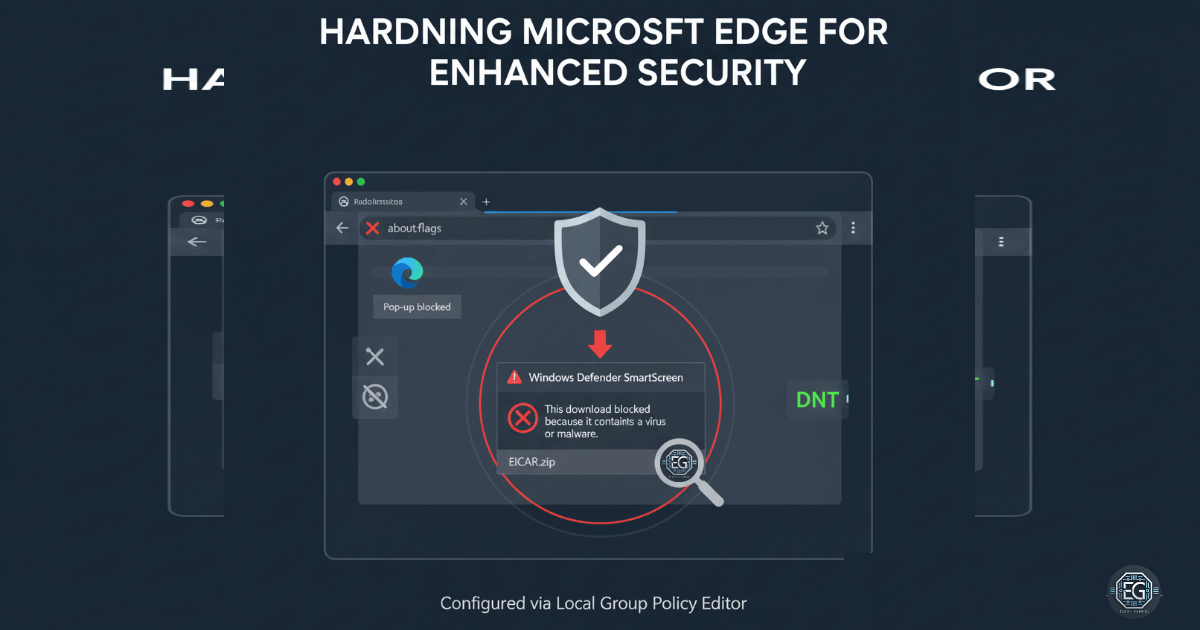
Implementation of security-focused Group Policy configurations to harden Microsoft Edge against web-based threats, unauthorized extensions, and data exfiltration.
REPORT – Deploy Controlled Folder Access via Local GPO – v1.0.0
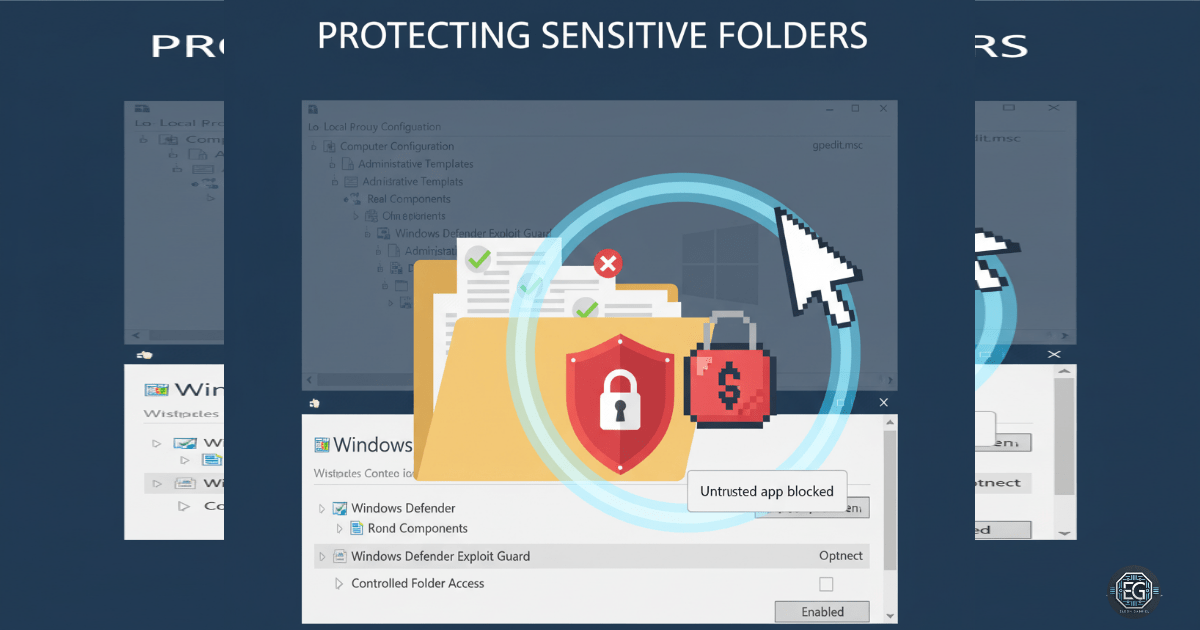
Implementation of Windows Defender Controlled Folder Access via Local Group Policy to mitigate unauthorized filesystem modifications and ransomware risks.
REPORT – Endpoint Security with Windows Registry – v1.0.0

Implementation of registry-level restrictions to disallow unauthorized executable runs and harden the Windows OS against common user-mode threats.
REPORT – Monitoring Windows Processes with Procmon – v1.0.1

Utilization of Process Monitor (Procmon) to capture, filter, and analyze real-time system events for security auditing and process behavior validation.
SUMMARY – GVM Deployment and Hardening on ARM64 Kali Linux – v1.1.0
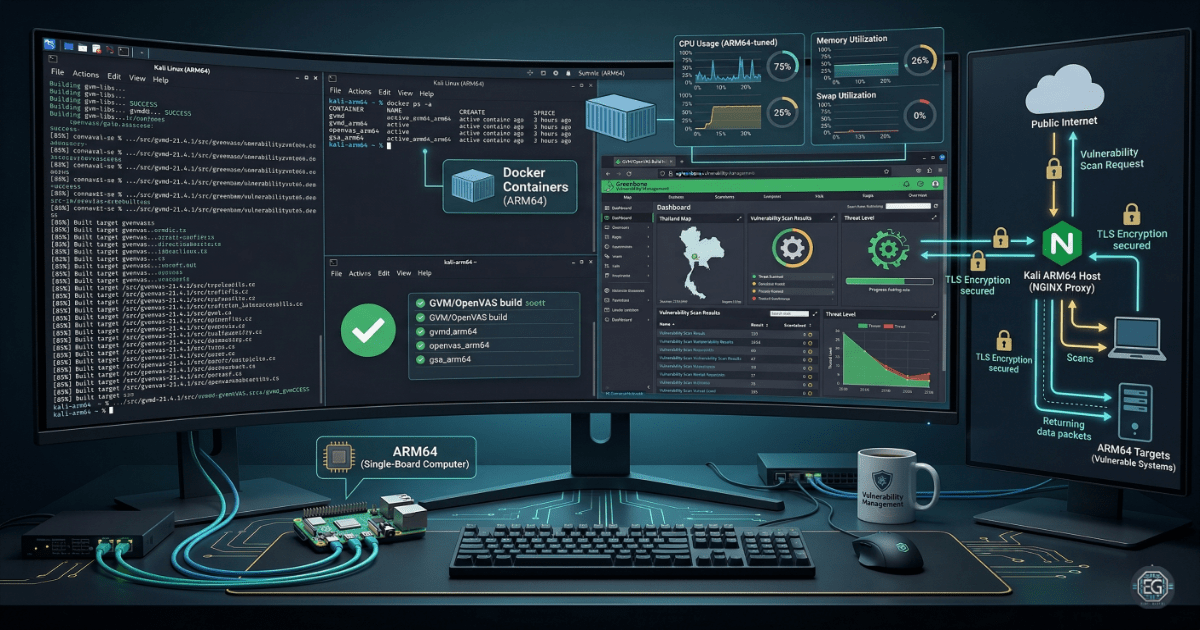
Deployment and stabilization of Greenbone Vulnerability Management (GVM) on ARM64, focusing on source builds and resource tuning for reliable vulnerability scanning.
REPORT – Forced Browsing Data Breach – v1.1.0
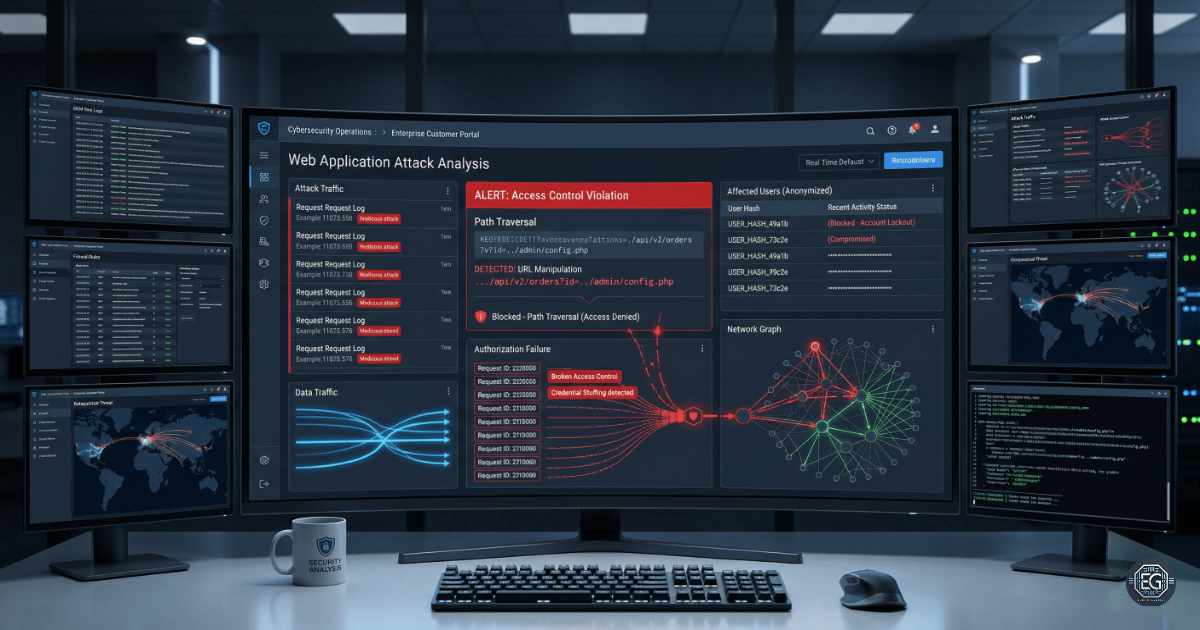
Post-incident analysis of a forced browsing attack on an e-commerce platform that exposed 50,000 customer records.
REPORT – USB Security Risk Assessment – v1.2.1
Investigation of a discovered USB device to identify potential baiting threats, data leakage, and risks to corporate infrastructure.
REPORT – Post-Breach Security Recommendations – v1.0.1

Implementation of security hardening measures and recommendations following a major data breach to improve infrastructure integrity.
REPORT – Network Attack Analysis – v1.0.1

Analysis of a TCP SYN flood attack on a public web server, including identification and mitigation strategies.
REPORT – Botium Security Audit – v1.1.0
Security audit of Botium Toys’ systems to find vulnerabilities, check compliance, and improve overall security.
REPORT – Server Security Evaluation – v1.2.0

Evaluation of a vulnerability in a publicly accessible server, focusing on risk assessment and remediation strategies.
REPORT – SQL Query Analysis Incident – v1.0.2

Use of SQL queries to investigate failed login attempts, geographic anomalies, and access patterns for security auditing.
Infrastructure Security
REPORT – Domain Group Policy Object (GPO) Deployment – v1.0.0
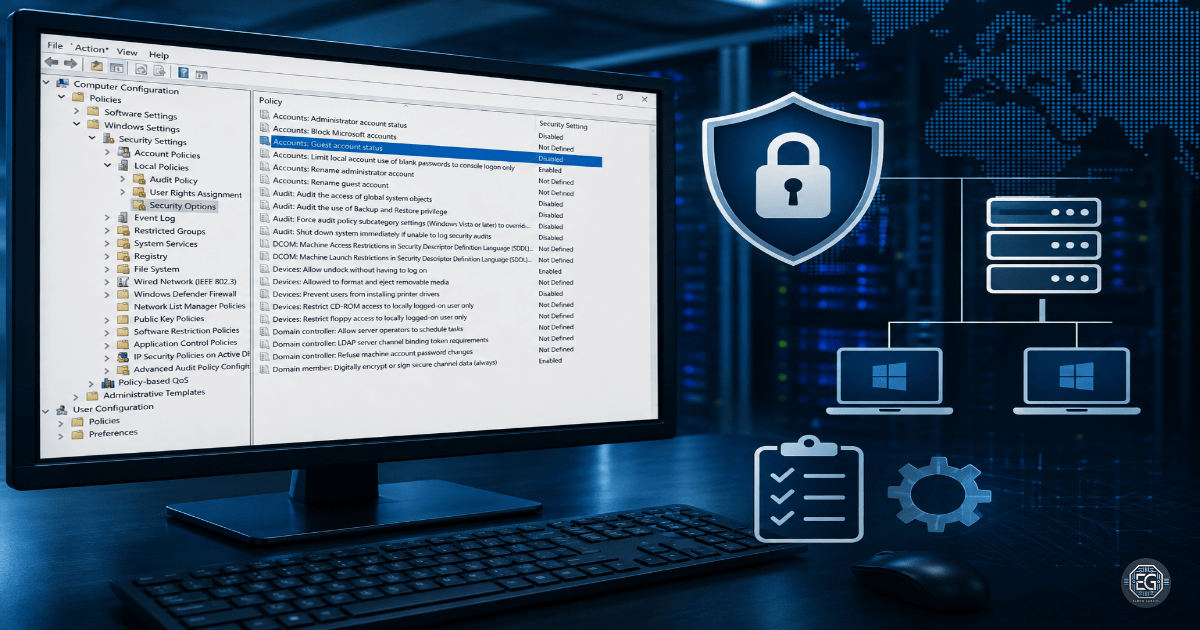
Deployment and validation of a centralized Group Policy Object to secure the built-in Guest account status across domain-joined Windows assets.
REPORT – Windows Server Active Directory Deployment Framework – v1.0.2
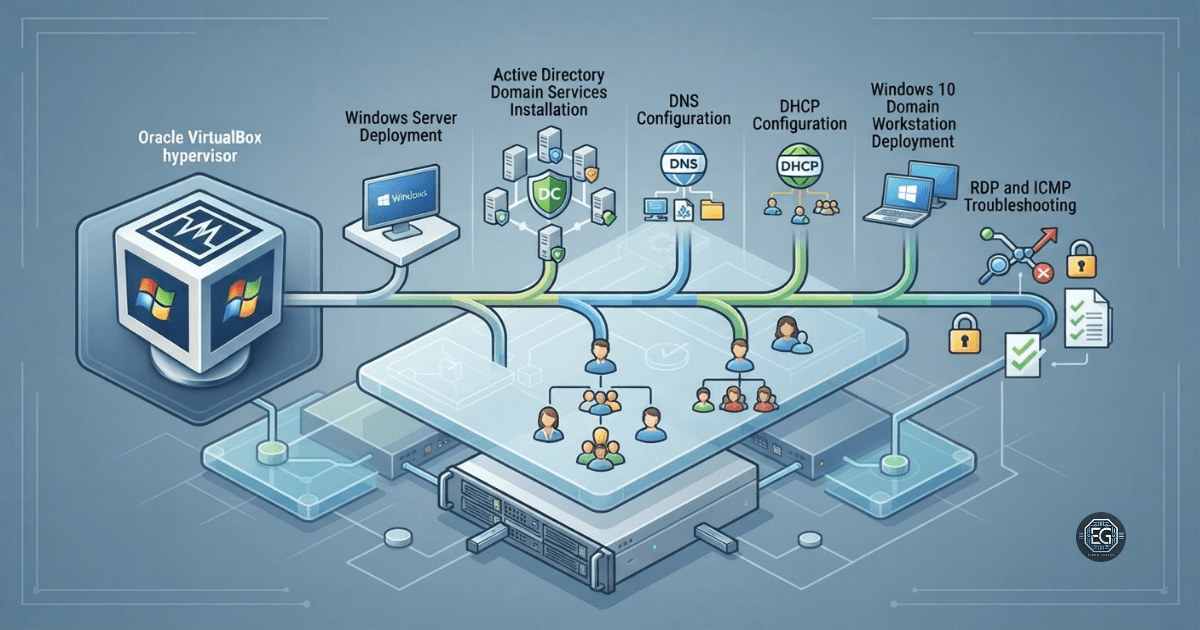
Documentation of an enterprise Windows Server Active Directory deployment framework with domain services, workstation deployment, connectivity validation, and troubleshooting workflows built on Oracle VirtualBox.
REPORT – Ubuntu Server Administration Documentation Framework – v1.0.0
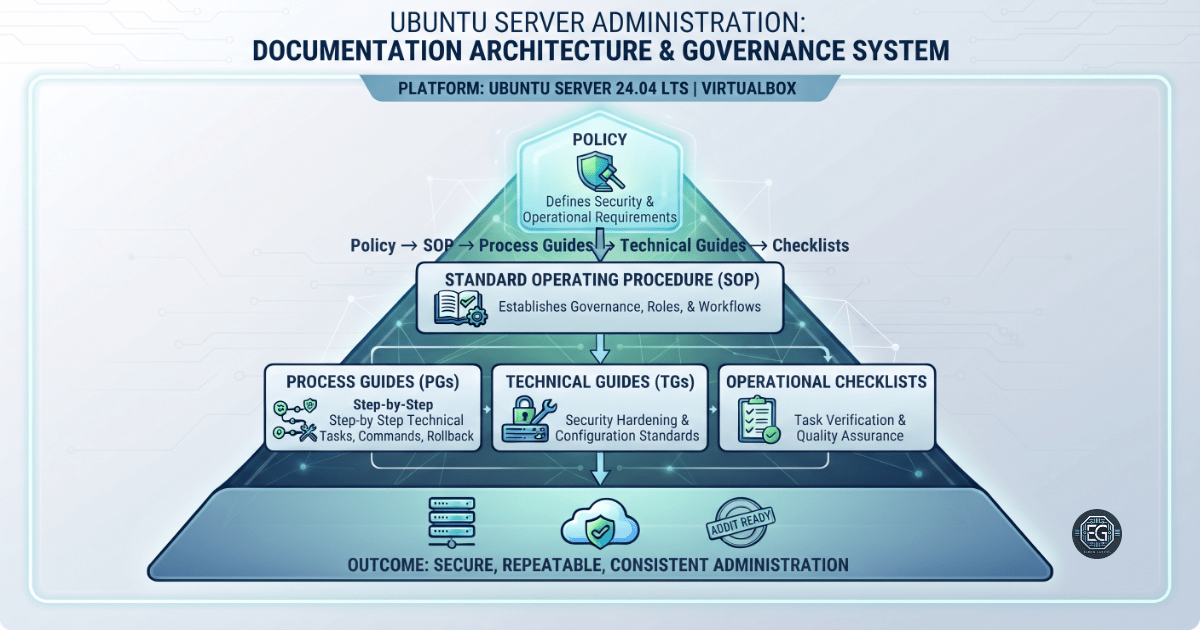
Documentation of the engineering and development of an enterprise-grade Standard Operating Procedure (SOP) framework for Ubuntu Server 24.04 LTS.
REPORT – AIDE Integrity Monitoring Remediation on Ubuntu Server 24.04 LTS – v1.0.0
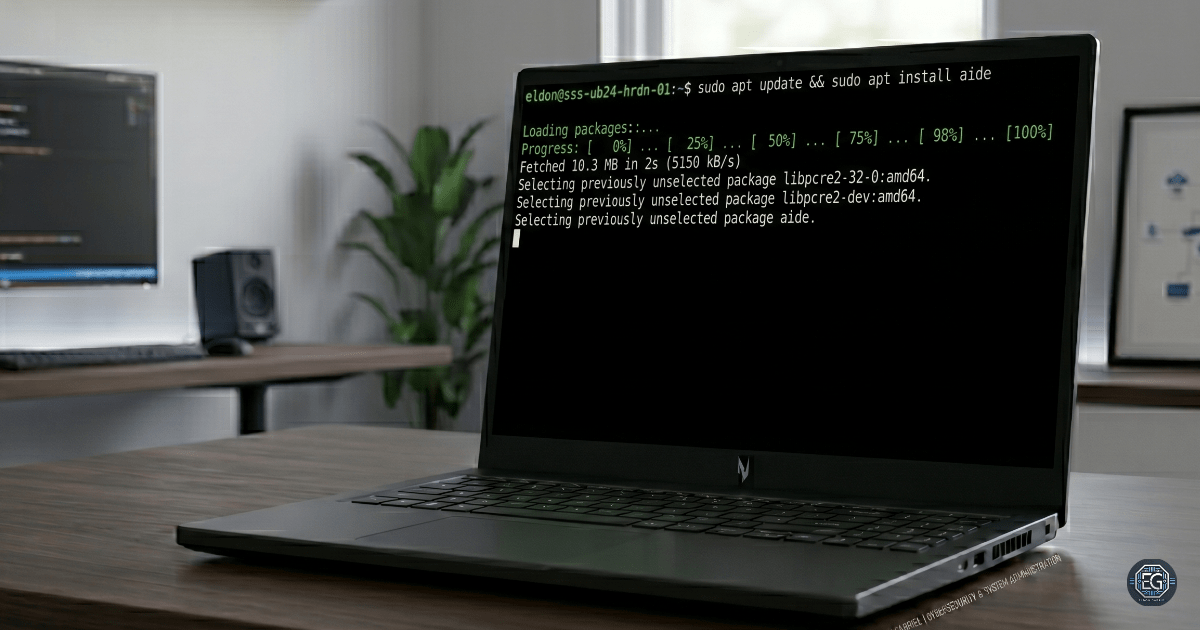
Technical remediation of AIDE configuration errors causing memory exhaustion and scan instability on Ubuntu 24.04.
REPORT – SSH Systemd Service Stabilization and Socket Activation Recovery – v1.0.0
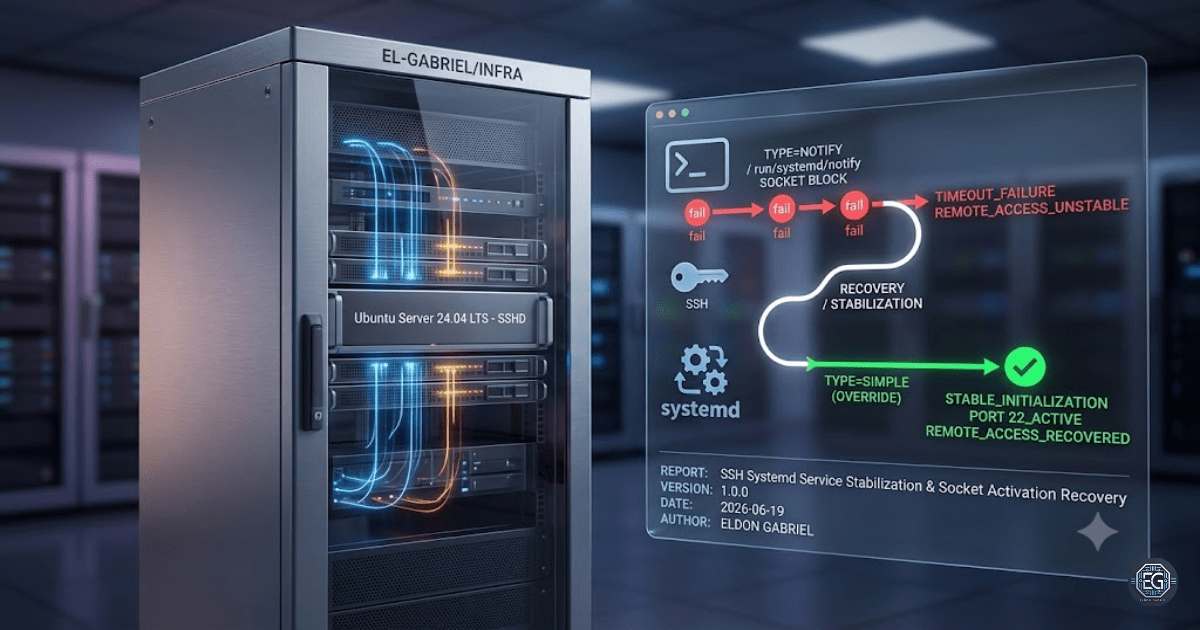
Technical implementation of diagnosing and stabilizing OpenSSH service failures caused by systemd configuration conflicts.
REPORT – SELinux Migration on Ubuntu Server 24.04 LTS – v1.0.0

A technical report on migrating from AppArmor to SELinux on Ubuntu Server 24.04 LTS to enhance system security.
REPORT – Linux Hardening Framework – v1.0.0
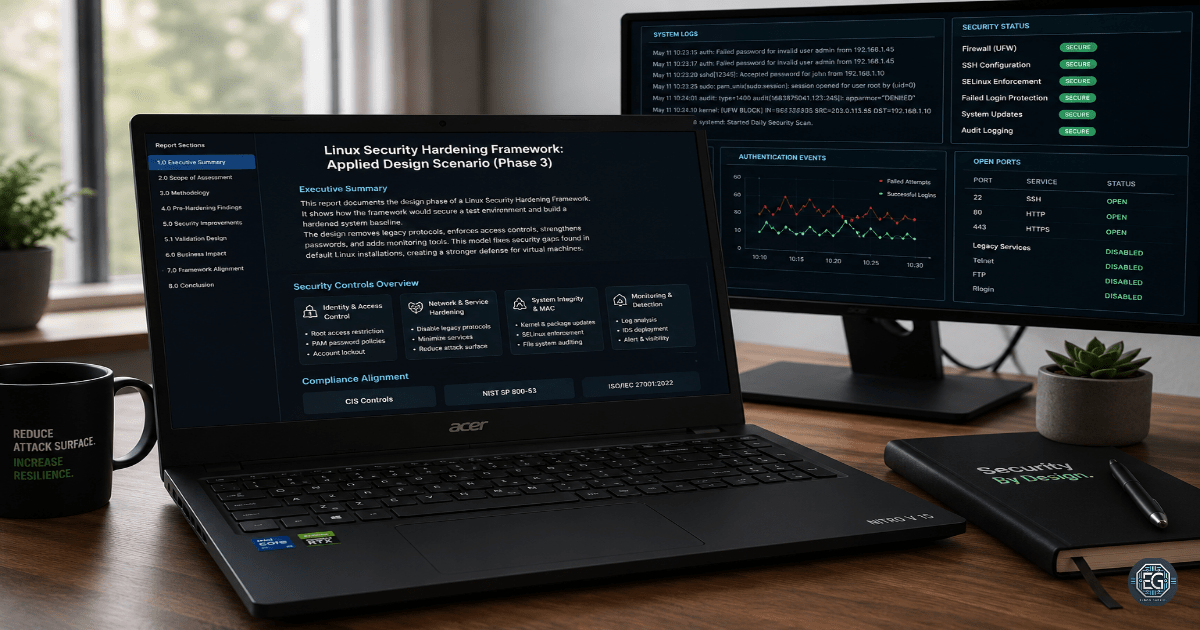
Phase 3 of a Linux security hardening framework showing how a structured design reduces risk and strengthens system baselines.
REPORT – Attack Surface Reduction and Service Hardening – v1.0.0
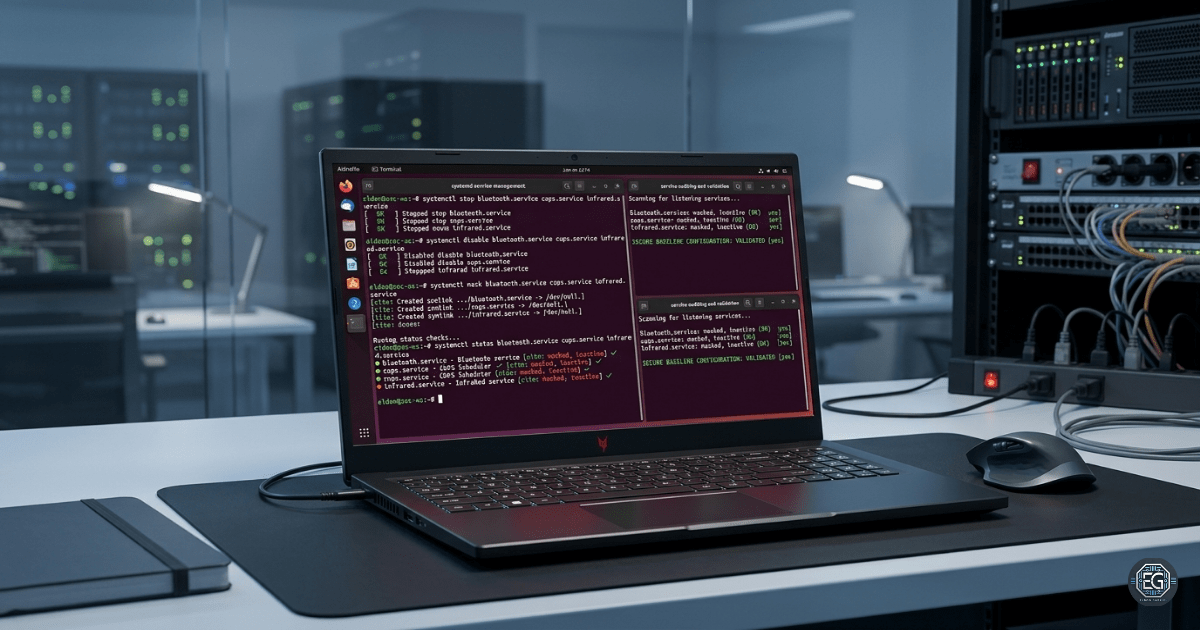
Technical implementation of attack surface. reduction by disabling and masking unnecessary system services on Ubuntu Server.
REPORT – Analyzing Legacy Network Services – v1.0.0

Technical implementation of a network service audit to demonstrate the risks of cleartext authentication protocols and network traffic interception.
REPORT – Network Service Auditing and Hardening – v1.0.0
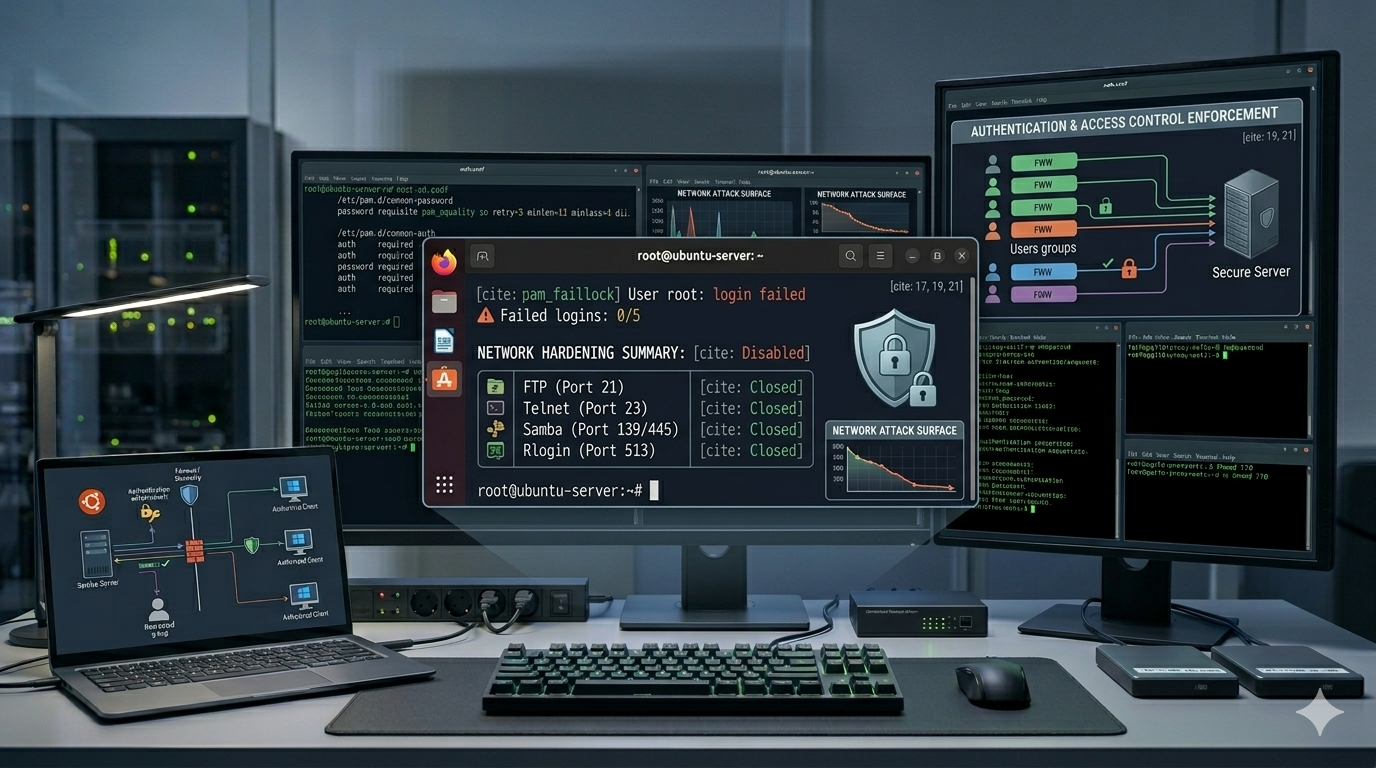
Technical implementation of network service auditing and the disabling of insecure legacy protocols to reduce system attack surface.
REPORT – Securing Boot and Authentication Files – v1.0.0
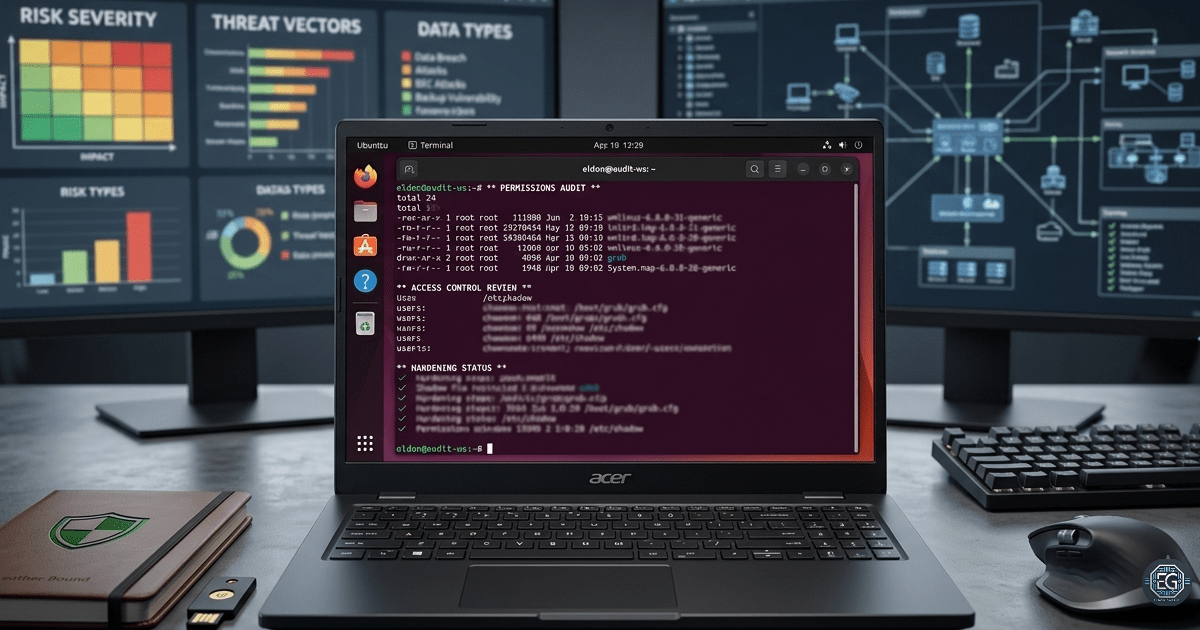
Technical implementation of permission hardening across critical system directories, bootloader configuration files, and authentication databases on Ubuntu Server.
REPORT – Password Strength Assessment – v1.0.0

Authorized password strength assessment on a Linux system using John the Ripper to identify weak passwords and improve account security.
REPORT – SSH Hardening with Multi-Factor Authentication – v1.0.0

Technical implementation of SSH multi-factor authentication (MFA), public key authentication enforcement, and user access whitelisting using OpenSSH and PAM.
REPORT – Linux Hardening: PAM Authentication & Account Policy Enforcement – v1.0.0
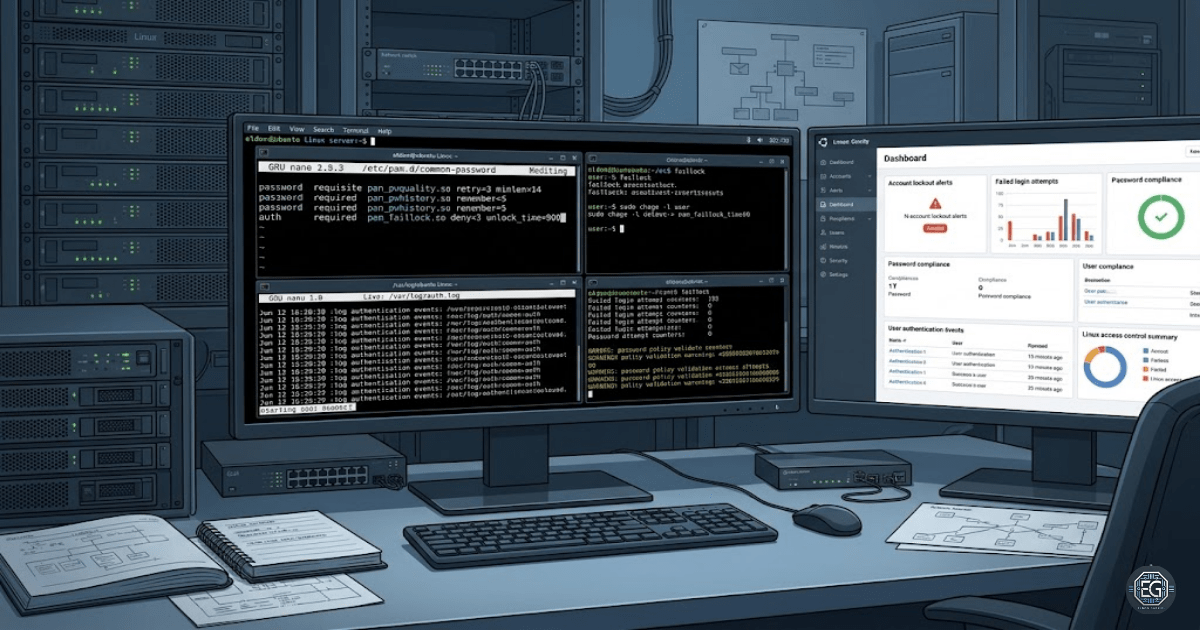
Technical implementation of password complexity enforcement, account lockout protection, and local authentication hardening using PAM.
REPORT – Linux Admin: Samba File Sharing Deployment and Validation – v1.0.0
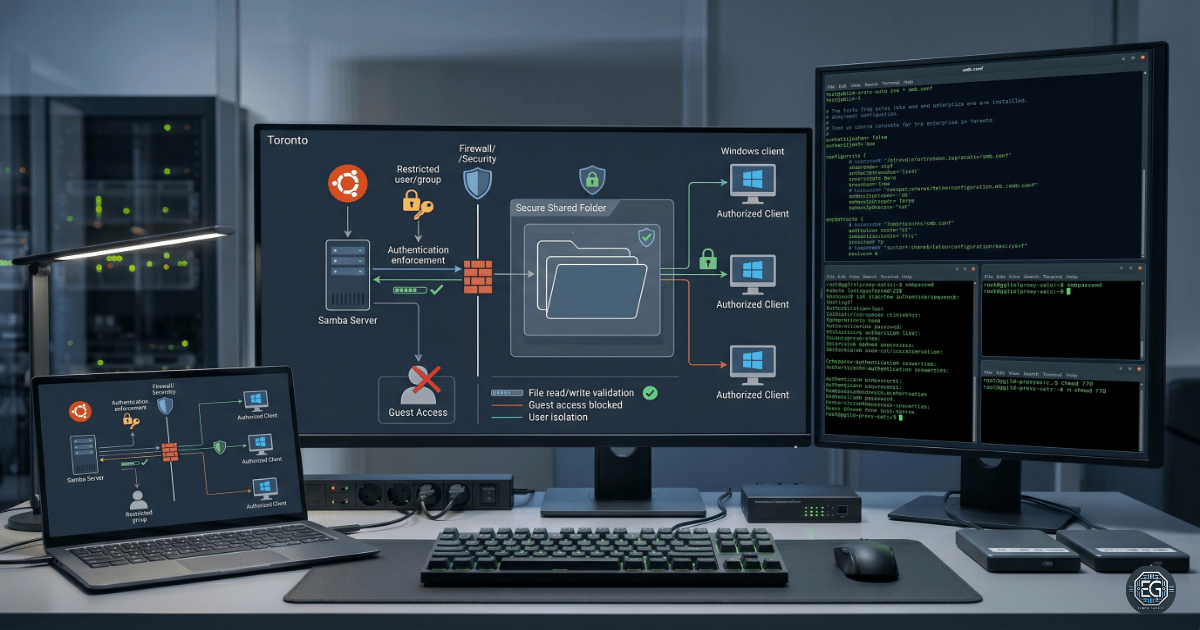
Technical deployment, access control validation, and cross-platform integration of a secure Samba file-sharing service.
REPORT – Linux Admin: Network File System (NFS) Deployment – v1.0.0
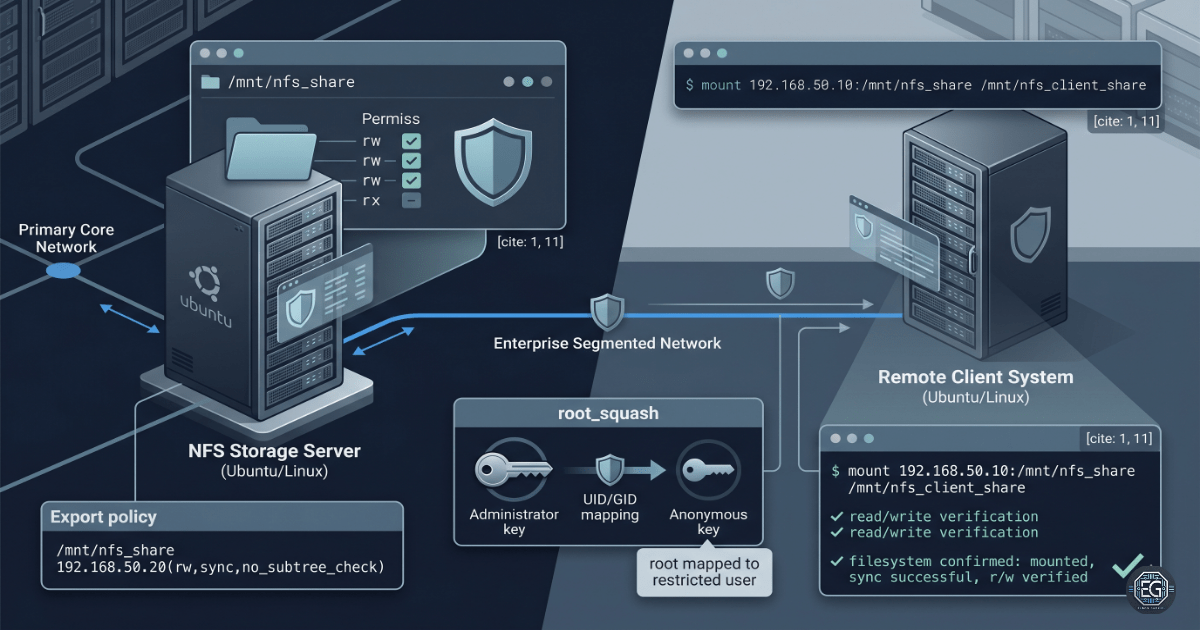
Technical deployment and security validation of a Network File System (NFS) environment.
REPORT – Linux Admin: Squid Proxy Configuration & Authentication – v1.0.0

Technical implementation of a secure, authenticated Squid proxy server with domain-level web filtering.
Identity Security
SUMMARY – IAM: Active Directory Disaster Recovery & Identity Restoration – v1.0.0
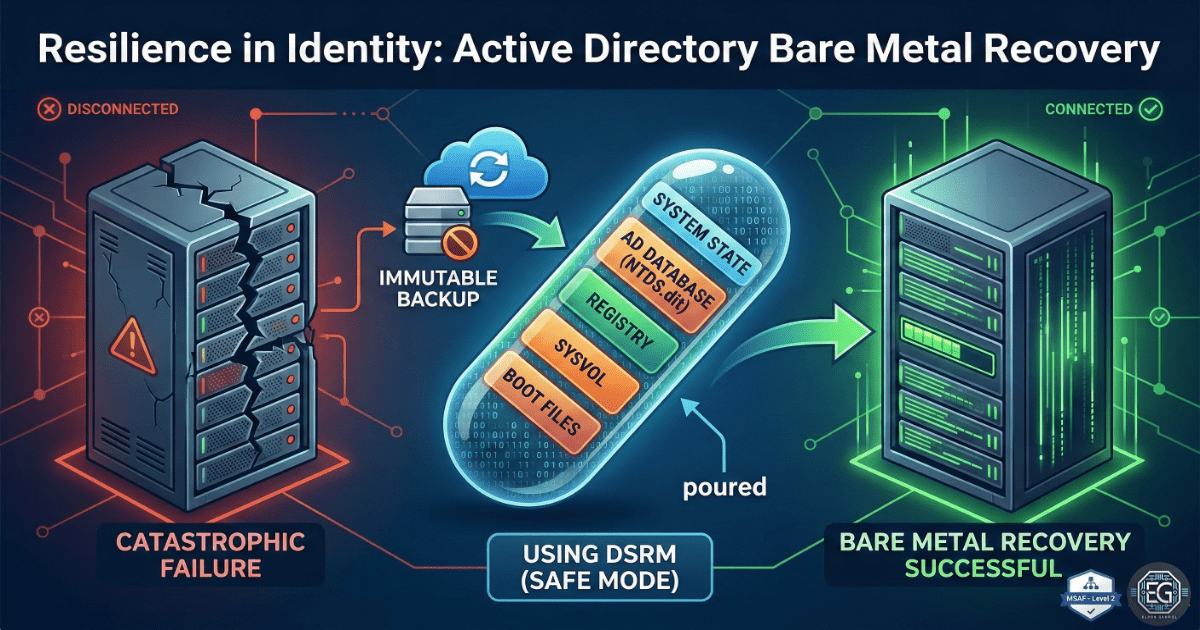
Successful restoration of an Active Directory environment using Bare-Metal Recovery (BMR) and System State restoration on Windows Server 2016.
REPORT – Hardening Windows User Rights via Local Group Policy – v1.0.0
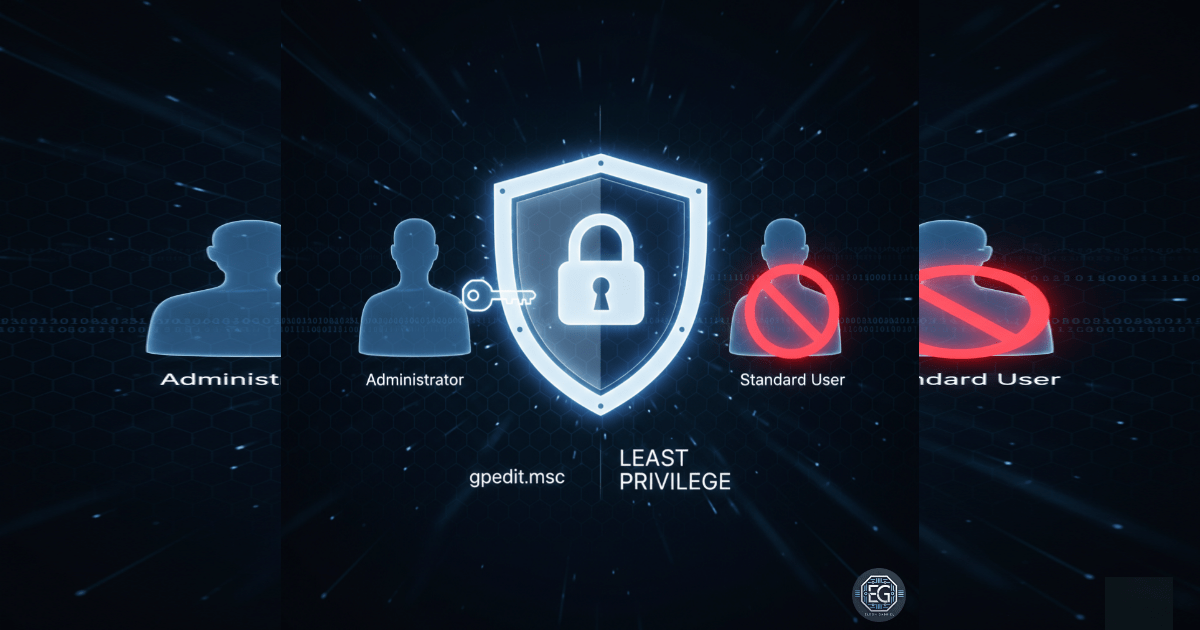
Configured User Rights Assignment policies via Local Group Policy to enforce least privilege and secure Windows endpoints.
REPORT – Applying a Local GPO for Session Lock Enforcement – v1.0.0

Configured Local Group Policy to enforce automatic session locks, improving Windows endpoint security.
REPORT – Deploy Local GPO for Windows Security Policies – v1.0.0

Implementation of a comprehensive security baseline using Local Group Policy to harden Windows endpoints against common network and system-level exploits.
SOP – Password & Account Lockout GPO Hardening – v1.0.1
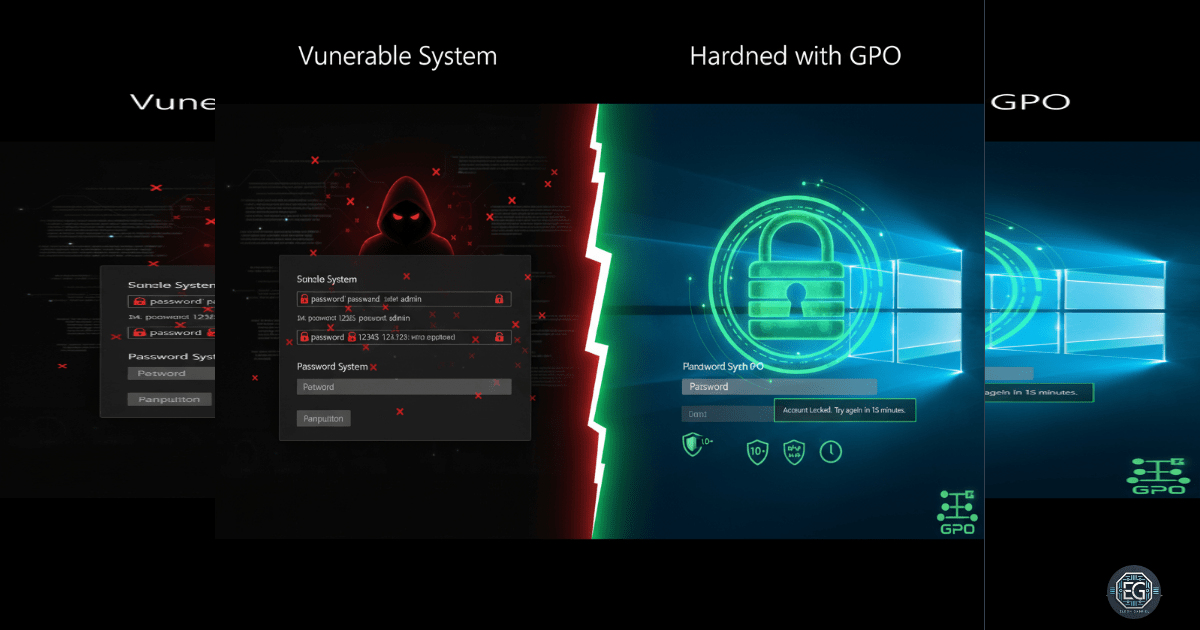
Implementation of mandatory password complexity and account lockout policies via Local Group Policy to defend against brute-force attacks and credential compromise.
REPORT – Hardening UAC via Local Group Policy – v1.0.0
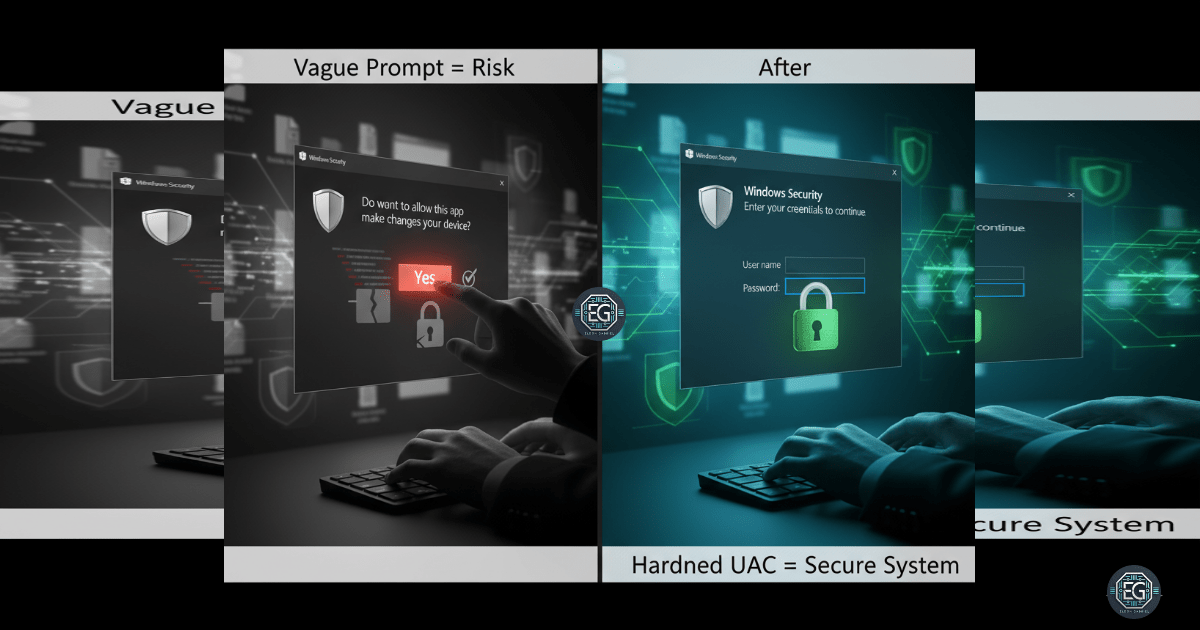
Implementation of hardened User Account Control (UAC) settings via Local Group Policy to mitigate unauthorized privilege escalation and credential spoofing.
REPORT – Hardening Credential Entry Using Group Policy – v1.0.0
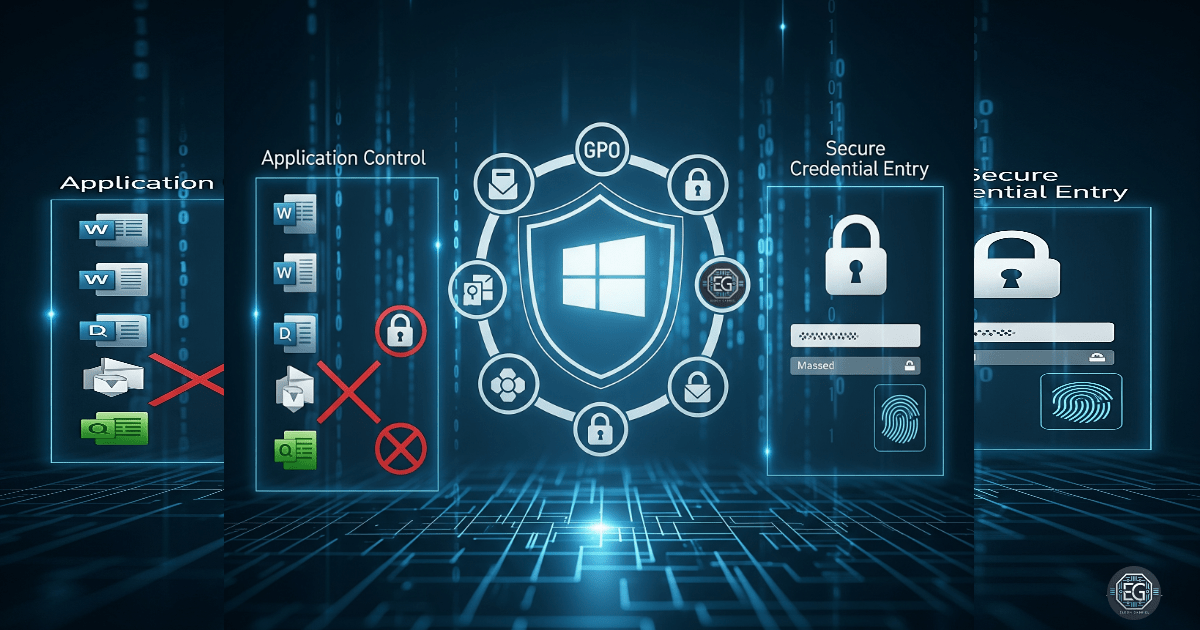
Implementation of Secure Desktop and logon restrictions via Local Group Policy to reduce the risk of credential theft and keylogging attacks.
SUMMARY – Password Managers – v1.0.0

Implementation of structured password management strategies to improve credential hygiene and reduce the risk of account compromise.
REPORT – File Ownership Recovery – v1.0.0
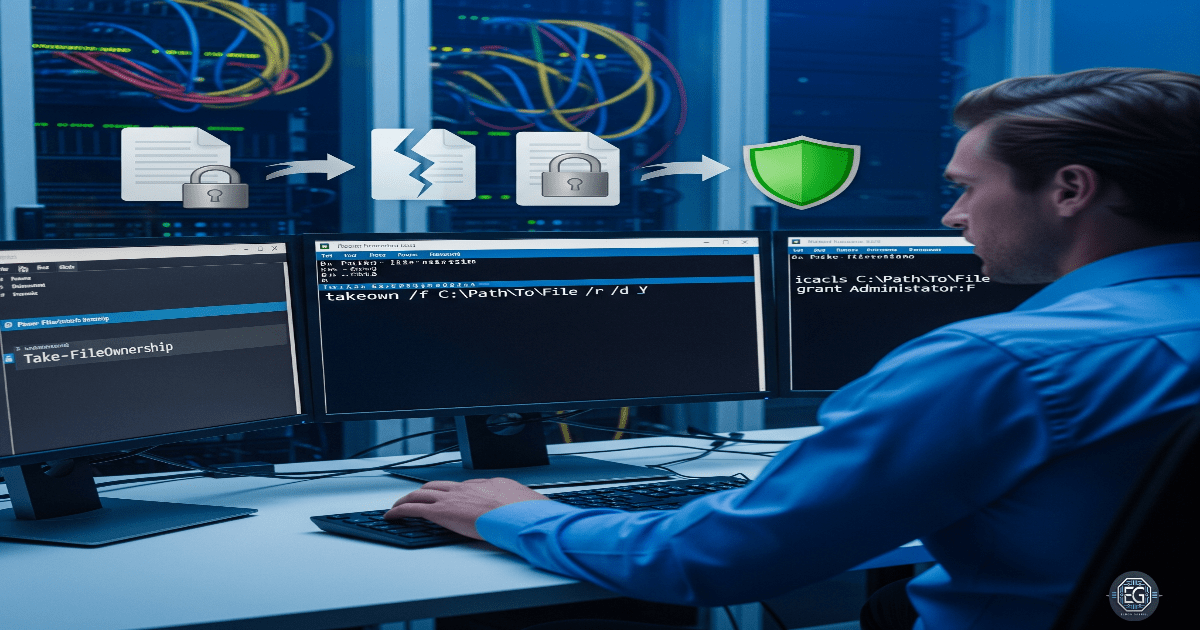
Investigation into Windows file ownership recovery methods, confirming NTFS as the authoritative source over the Registry for permission management.
Report – Securing Folder Access with Permissions – v1.0.1

Implementation of discretionary access controls (DAC) and Group Policy restrictions to secure sensitive data within a Windows environment.
REPORT – Kerberos Authentication Protocol – v1.0.0
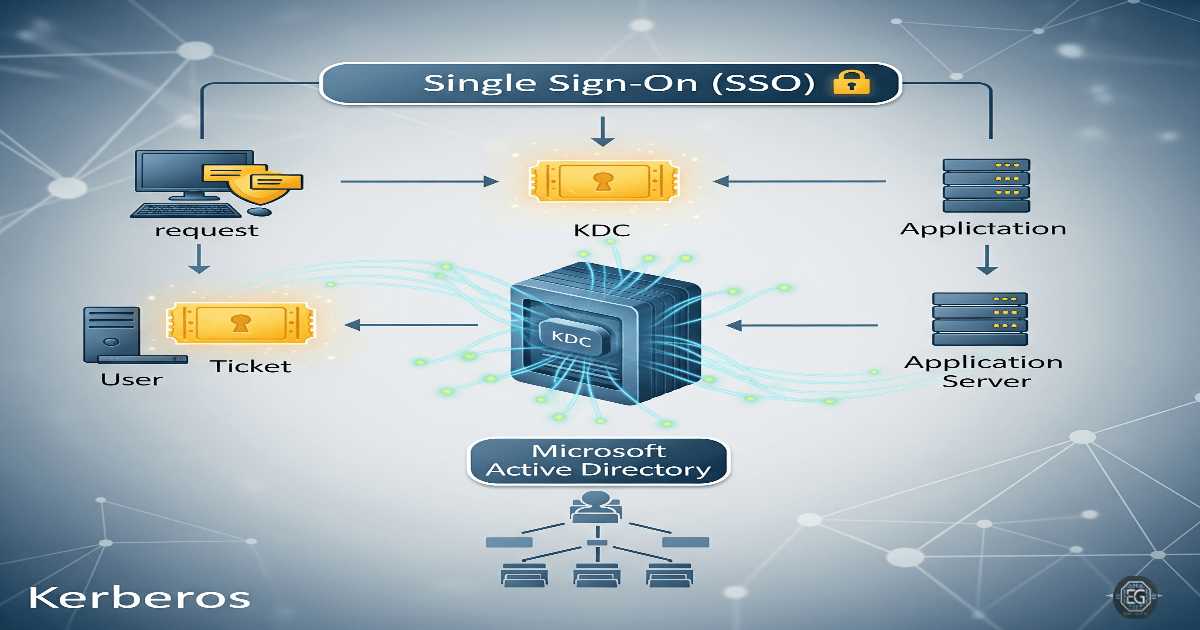
Implementation of Kerberos authentication to improve identity verification, ticket-based security, and access control in enterprise environments.
REPORT – Investigation of Unauthorized Payroll Access Incident – v1.2.0
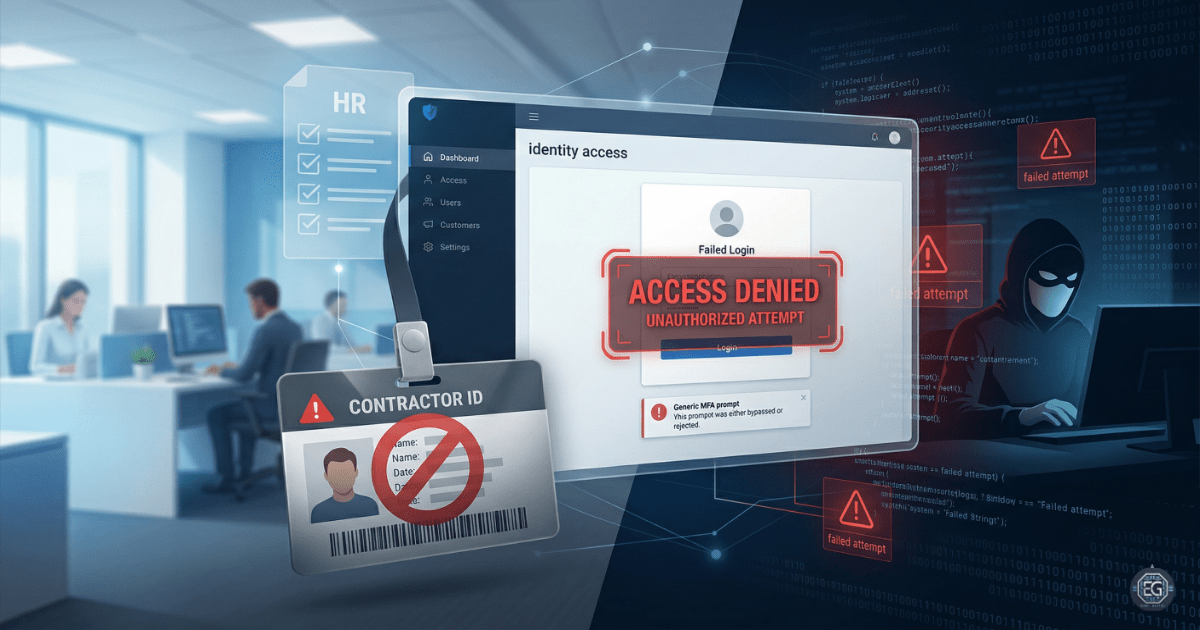
Investigation into unauthorized access to a payroll system using a former contractor account.
REPORT – Python Algorithm for Managing IP Access – v1.0.1

Development of a Python-based algorithm to automate IP allow list management for scalable access control enforcement.
Networking
SUMMARY – Cloud Infrastructure: AWS RDP Access Resolution – v1.0.0
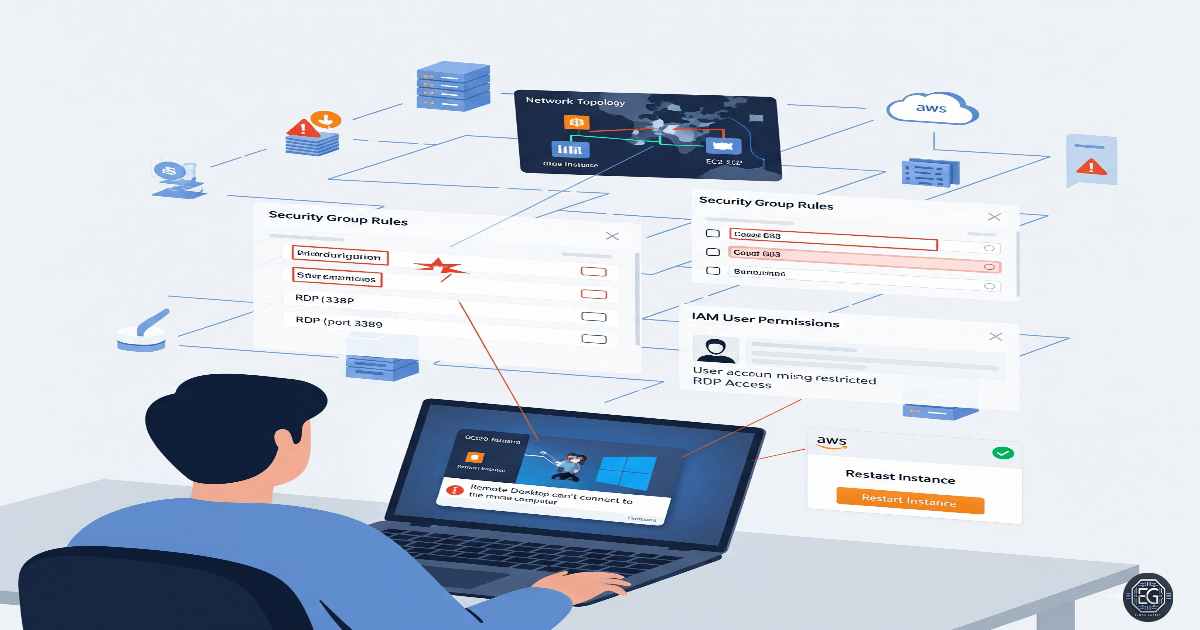
Resolution of Remote Desktop Protocol (RDP) access failures on an AWS-hosted Windows instance through group membership and policy validation.
SUMMARY – pfSense Infrastructure Framework and Hardening – v1.0.0
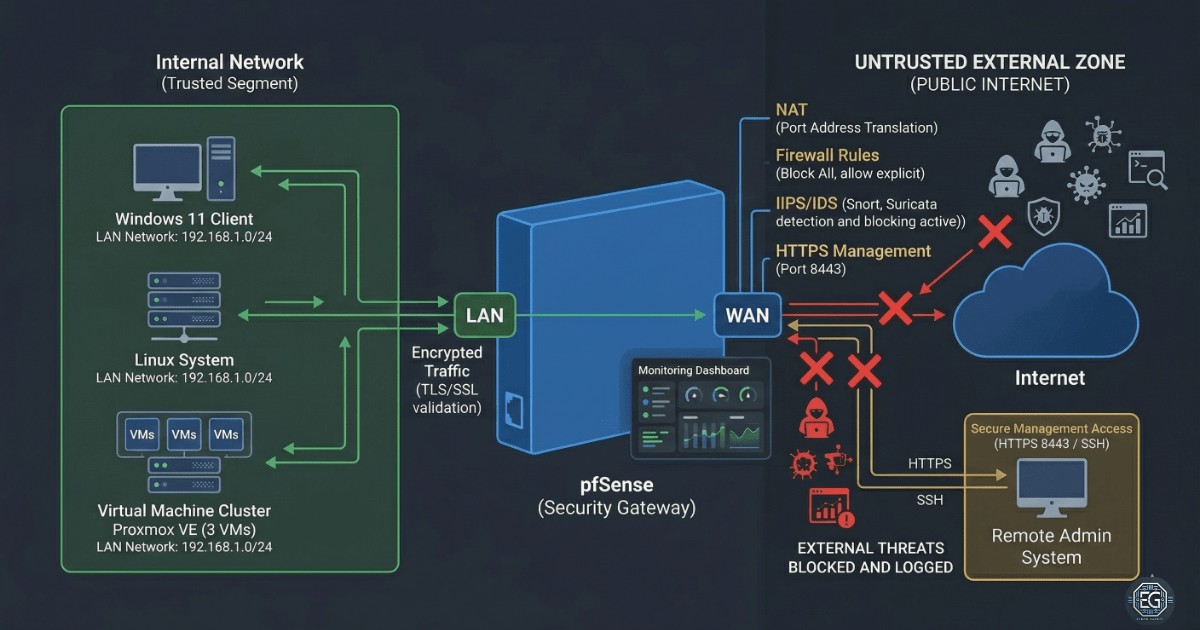
Deployment of a secure network gateway using pfSense with network isolation, secure management access, and validated firewall controls.
SUMMARY – pfSense APIPA Failure – v1.0.0
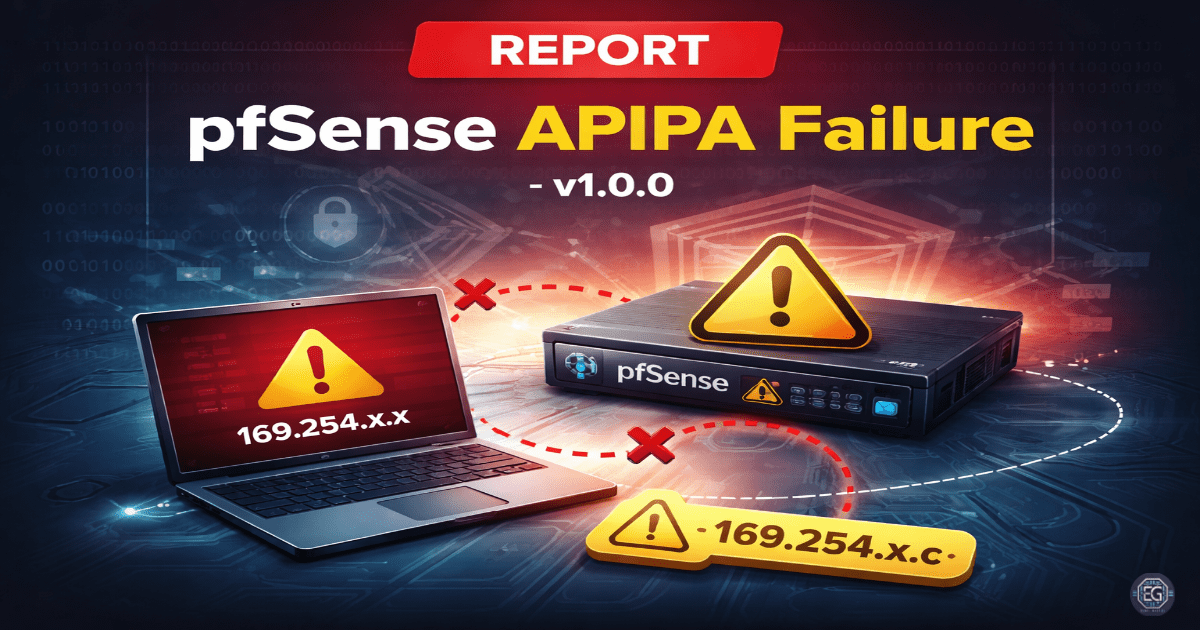
Loss of pfSense WebGUI access caused by APIPA addressing on the client system, resolved through static IP reconfiguration and connectivity validation.
SUMMARY – Domain Controller NAT and Routing – v1.0.3
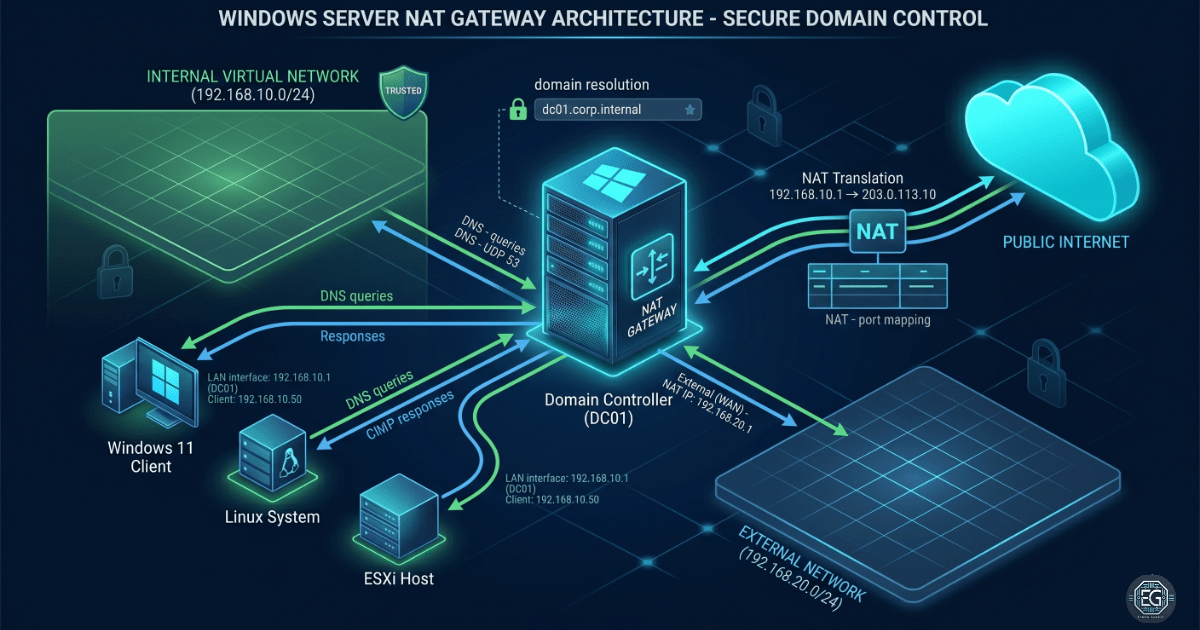
Setup of a Windows Server Domain Controller as a NAT gateway and DNS server, including troubleshooting an IP conflict and fixing network routing.
SUMMARY – OpenVPN Remote Access VPN Deployment and Validation – v1.0.0
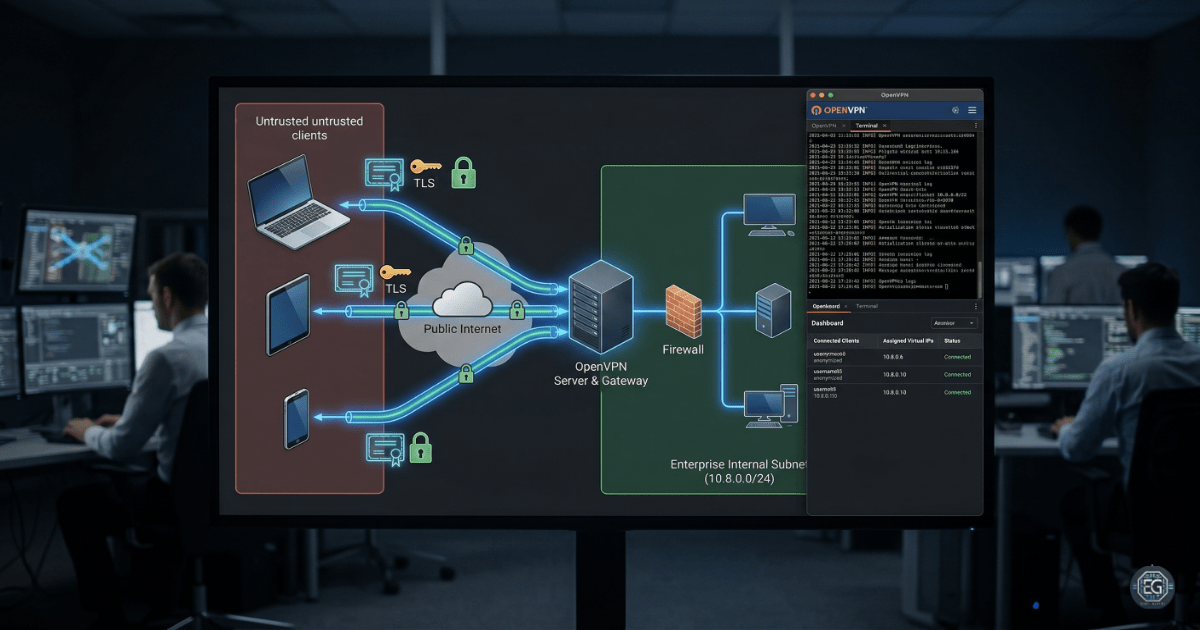
Deployment and validation of an OpenVPN remote access solution to provide secure encrypted tunneling for remote clients over untrusted networks.
REPORT – Access Control Bypass & Network Stability – v1.0.0
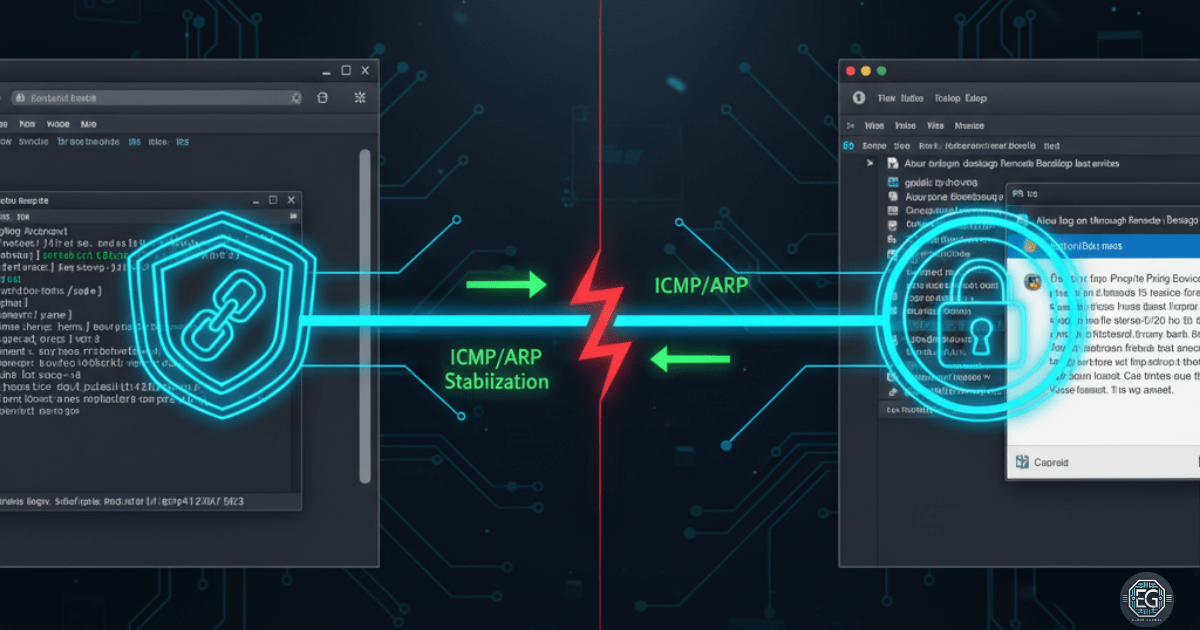
Resolution of a multi-layered connection failure involving Domain GPO restrictions and virtual network instability in a macOS-UTM environment.
REPORT – IP Subnetting Fundamentals – v1.0.0

Implementation of structured IP subnetting to enable network segmentation, reducing the attack surface and improving access control.
REPORT – SMB Protocol: Function and Security Risks – v1.1.0
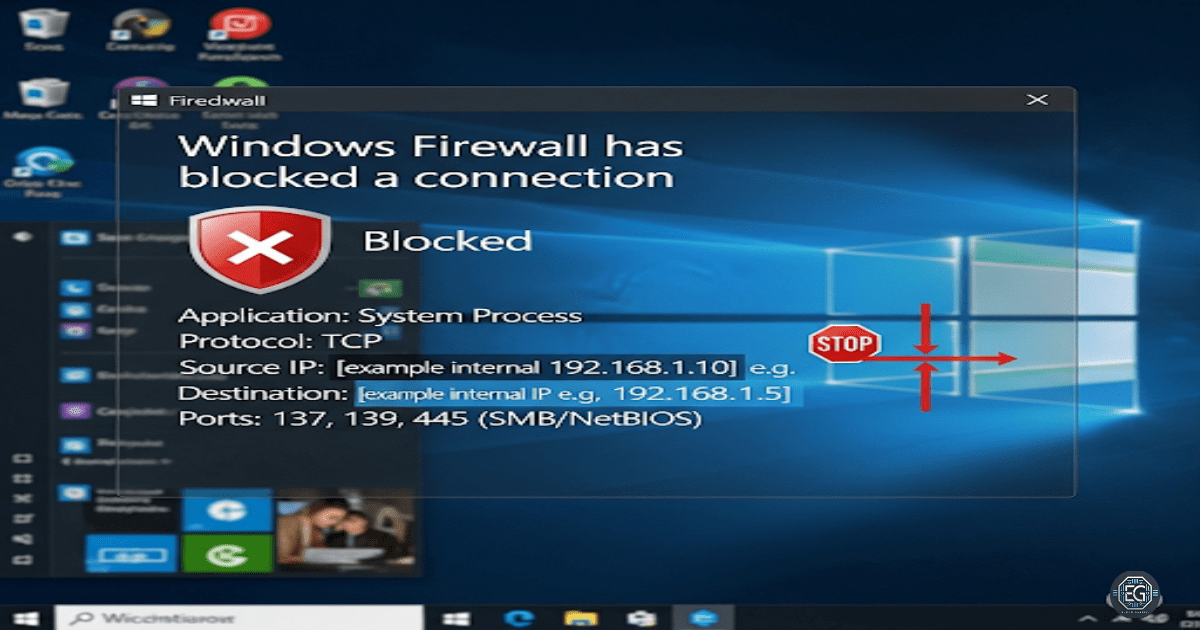
Analysis of the Server Message Block (SMB) protocol, its vulnerabilities, and security improvements for modern networks.
GUIDE – Hands-On Network Fundamentals (OSI, TCP/IP, VPNs) – v1.0.0
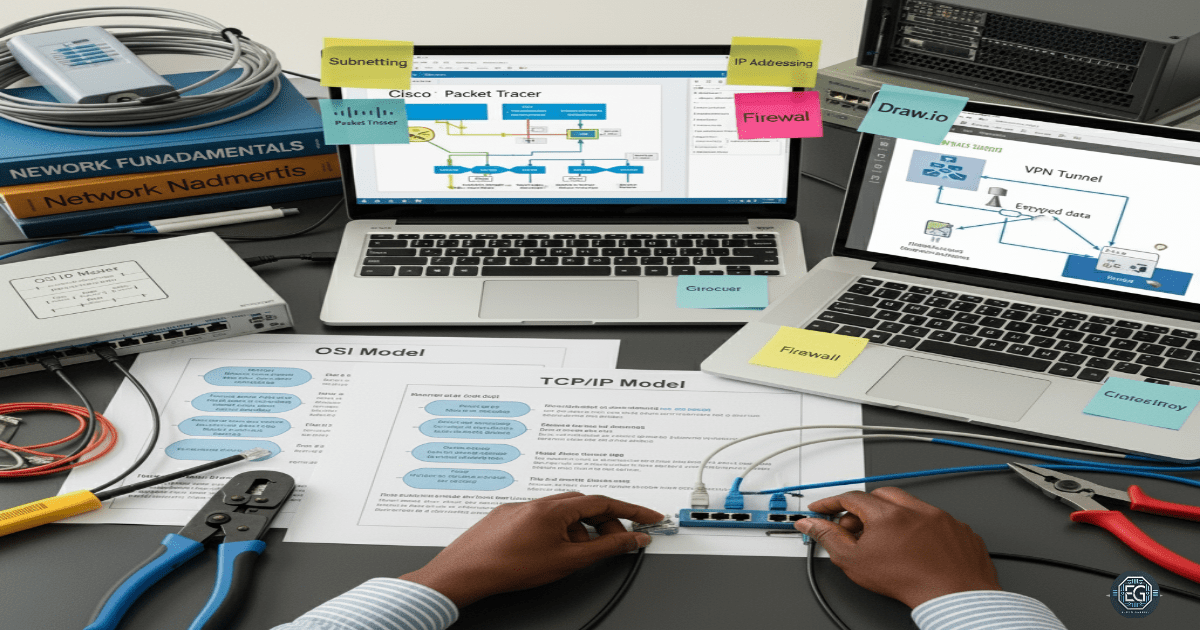
Hands-on labs covering OSI, TCP/IP, and VPN setup to build real-world networking and cybersecurity skills.
REPORT – Enterprise IPsec VPN Diagnostics – v1.0.0
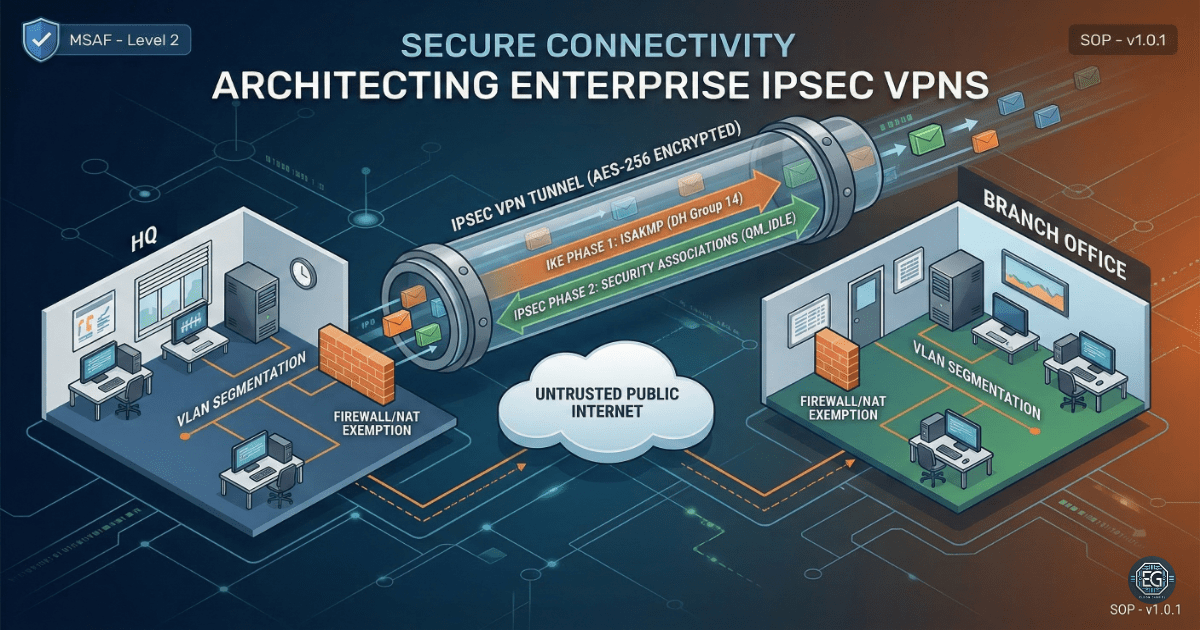
Setup and validation of a site-to-site IPsec VPN to secure data between enterprise networks.
REPORT – DNS Analysis with dig – v1.0.1
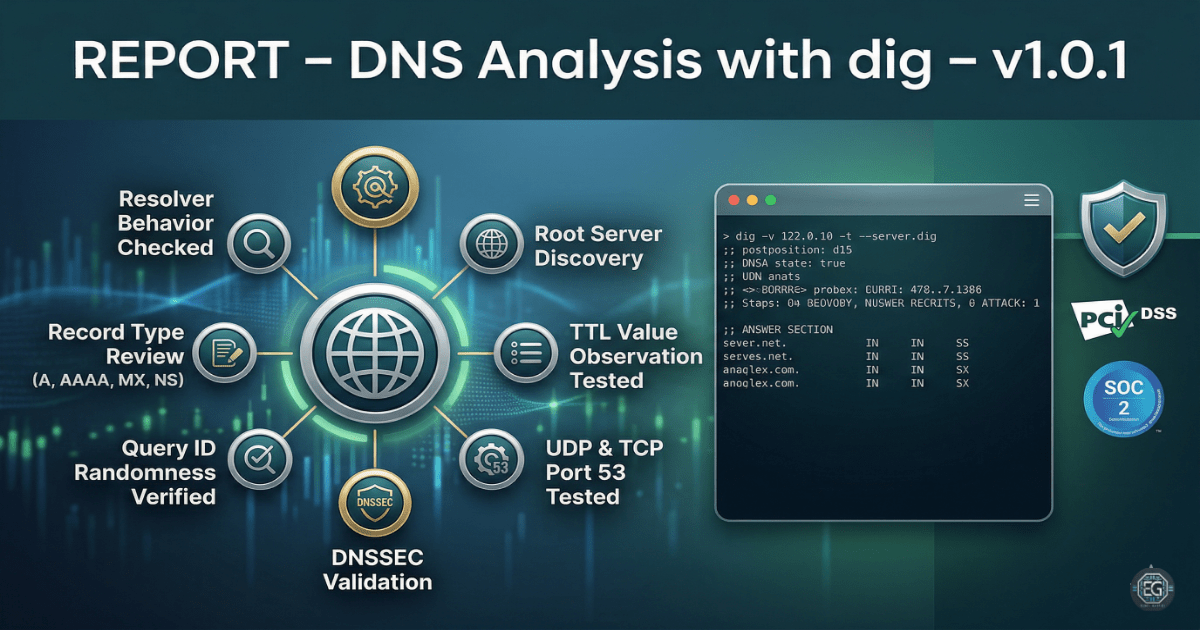
DNS analysis using the dig tool to check resolver behavior, record types, and basic DNS security.
REPORT – DNS Outage and Port 53 Failure Analysis – v1.0.1
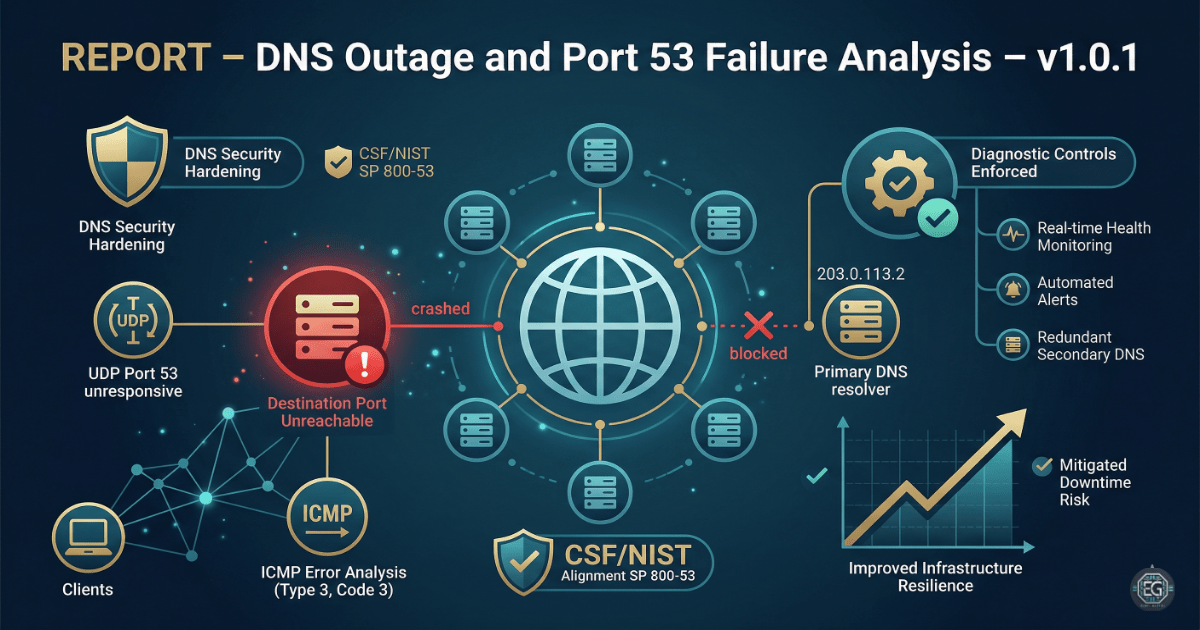
Investigation of a DNS service outage, focusing on UDP port 53 issues and ICMP error responses.
GRC
SUMMARY – Governance, Risk & Compliance: BYOD in Organizations: Security, Challenges, and Strategies – v1.0.0
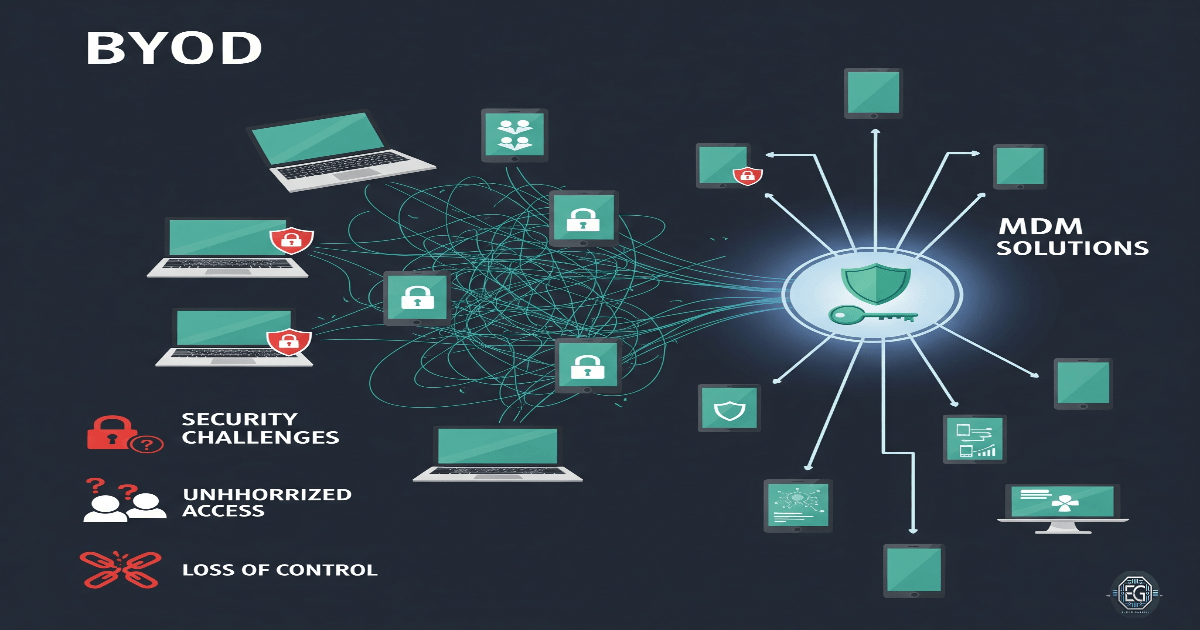
Analysis of BYOD risks and the use of security controls to protect corporate data on personal devices.
SUMMARY – Governance, Risk & Compliance: Bank Risk Register Analysis – v1.0.0
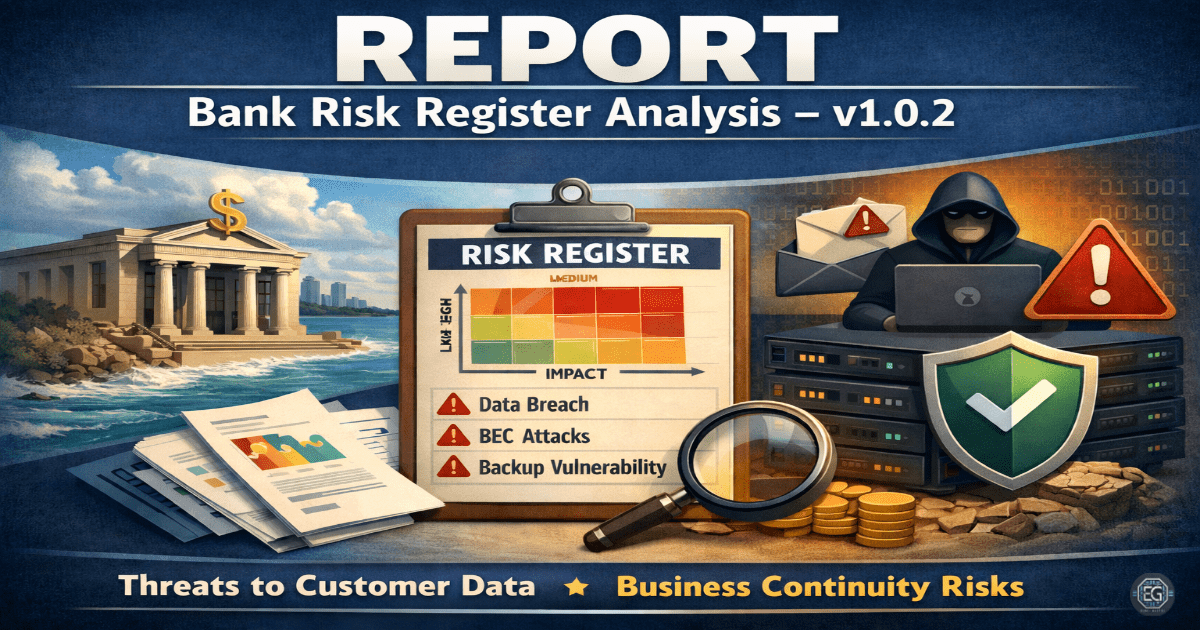
Analysis of operational and technical risks for a coastal financial institution, prioritizing threats to customer data and business continuity.
SUMMARY – Governance, Risk & Compliance: Least Privilege (NIST SP 800-53 AC-6) – v1.0.0
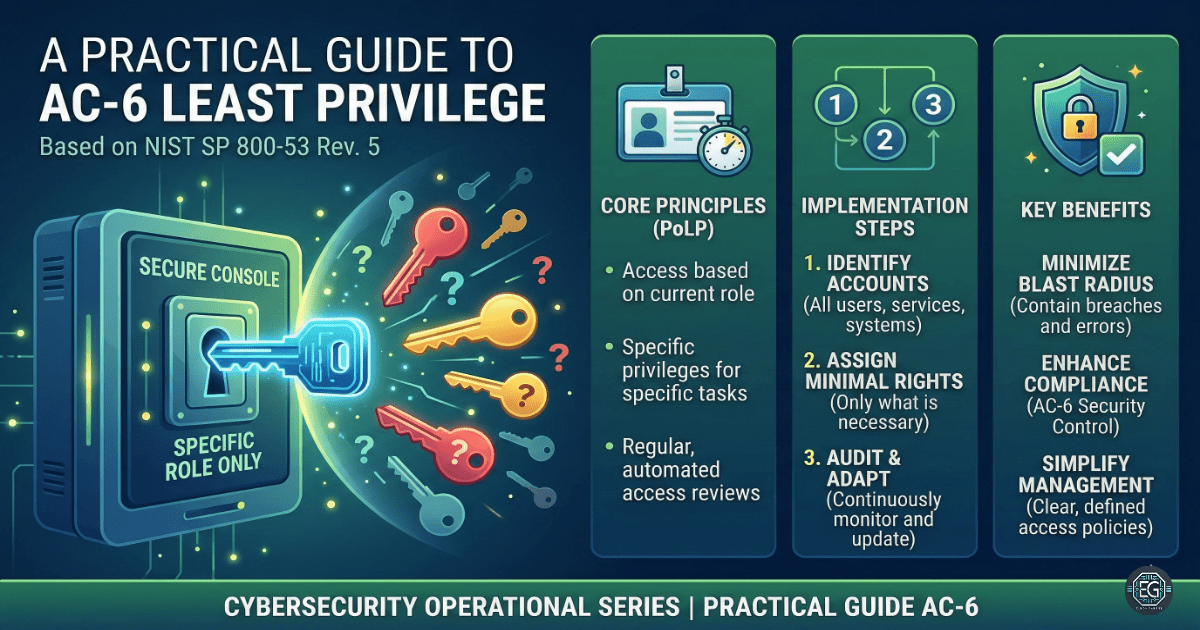
Implementation of least privilege controls to reduce risk and limit unauthorized access in enterprise systems.
SUMMARY – Governance, Risk & Compliance: Risk Assessment (NIST SP 800-30 Rev. 1) – v1.0.0
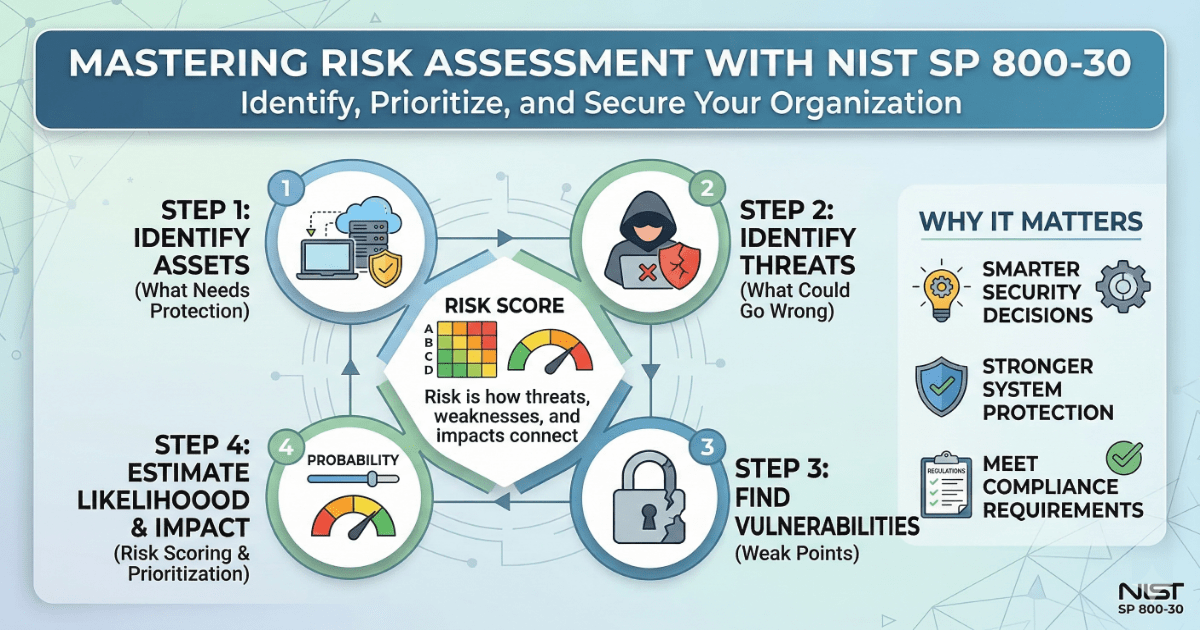
Implementation of a structured risk assessment framework to identify, analyze, and prioritize organizational threats and vulnerabilities.
Operational Approach
SUMMARY – Prompt & Rubric Evaluation Exercises – v1.0.0

Analysis of prompts and rubrics to improve clarity, reduce ambiguity, and increase consistency in technical evaluations.
GUIDE – Cybersecurity Report Template Design – v1.0.0

Building a reusable cybersecurity report template was about clarity, consistency, and professional communication.
GUIDE – Hands-On Cybersecurity Progression (MICS to MSAF) – v1.0.0
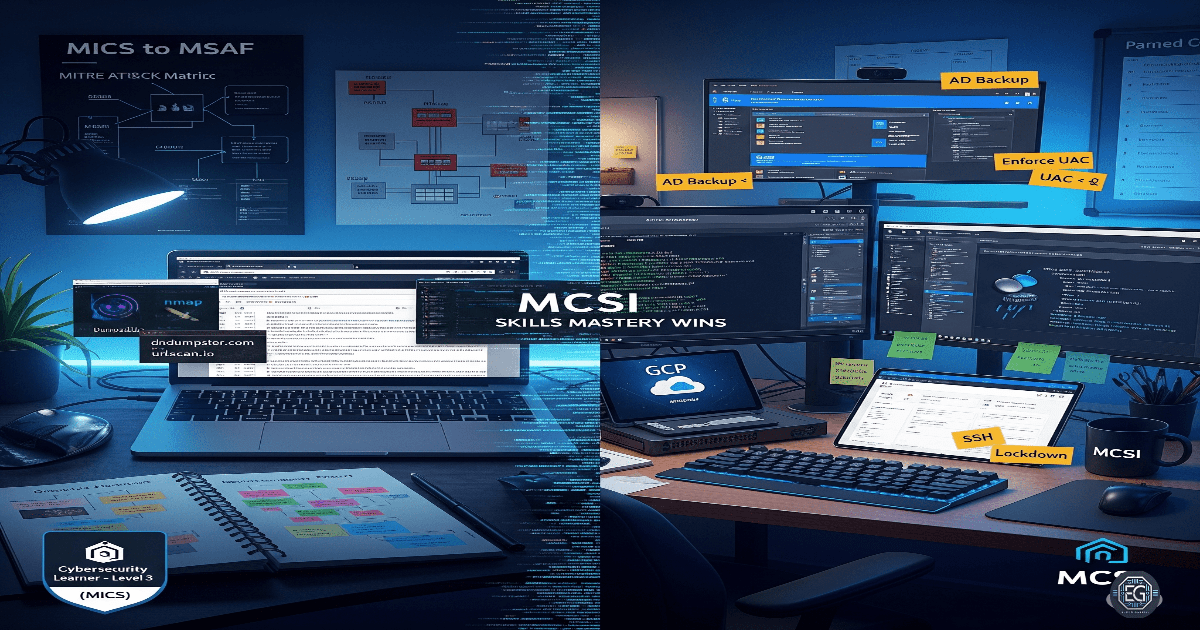
MCSI labs provide scenario-based exercises that bridge IT fundamentals with advanced cybersecurity practices, building a portfolio of applied skills.
GUIDE – Entry-Level Cybersecurity Portfolio Development – v1.0.0

Hands-on experience is essential for cybersecurity newcomers. MCSI provides a structured, apprenticeship-style training to build applied skills and documentation expertise.
OSINT Investigation
SUMMARY – Geolocation and Image Verification Analysis – v1.0.0

Application of advanced reverse image search and visual analysis techniques to verify artifacts and geolocate global landmarks.
SUMMARY – OSINT Email Enumeration & Validation – v1.0.1

Execution of email reconnaissance and validation techniques to identify organizational naming conventions and verify active communication channels.
REPORT – Using Google Translate for OSINT – v1.1.0
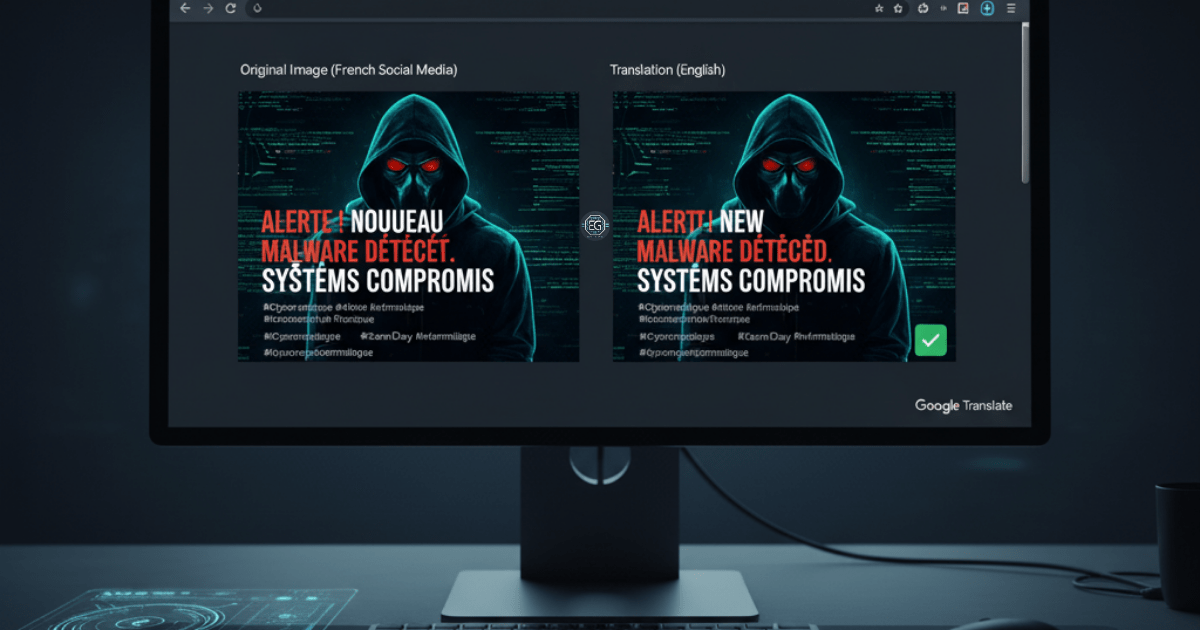
Using translation tools to process and validate foreign-language data from multiple sources including articles, code, images, documents, and webpages.
Identity & Access Management
SUMMARY – Identity & Access Management: Access Control Incident Response – v1.0.0
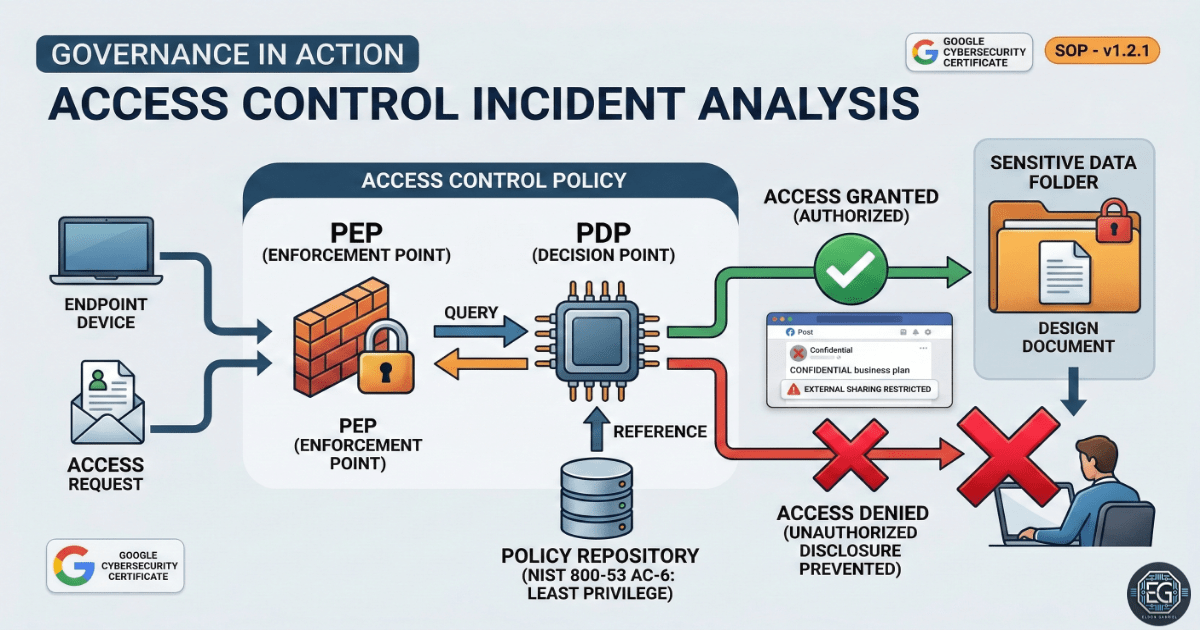
Analysis of a data exposure incident caused by weak access controls and lack of enforced security policies.
Operational Resilience
SUMMARY – Backup and Restore Using Duplicati CLI – v1.0.1
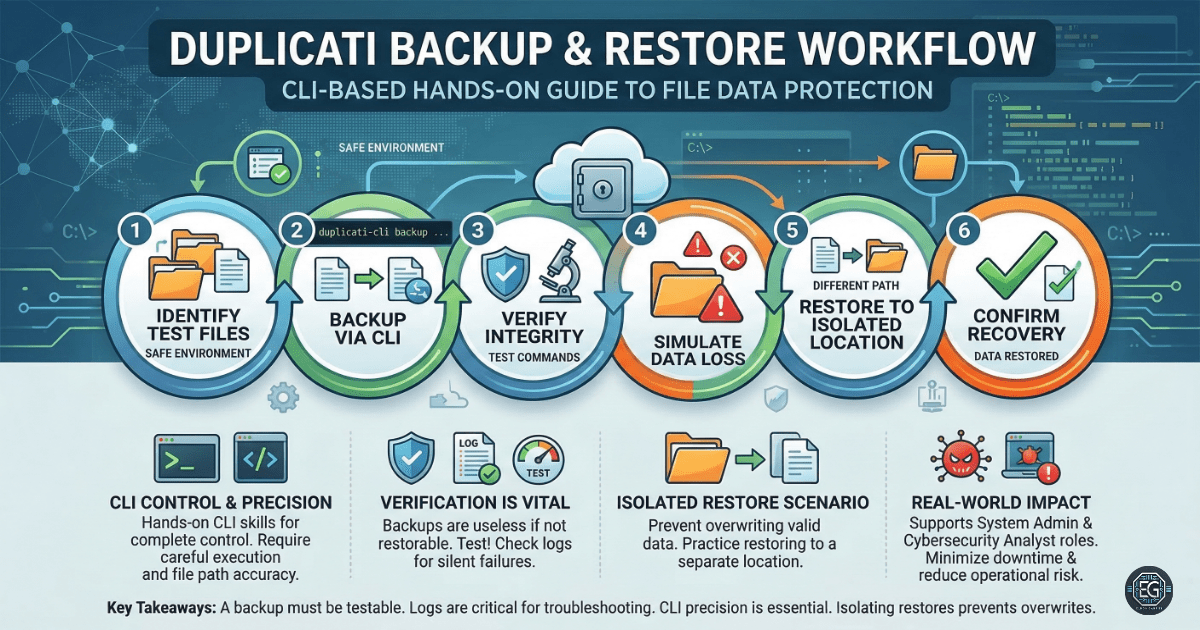
Execution and validation of command-line based backup and recovery workflows using Duplicati to ensure data recoverability and integrity.