
Infrastructure Operations Portfolio
This portfolio demonstrates hands-on systems administration, infrastructure security, and operational troubleshooting in Windows and Linux environments. Projects focus on server hardening, monitoring deployment, backup and recovery operations, network security, and technical problem resolution using structured validation and root-cause analysis methods.
Each project follows a proof-of-work approach, where infrastructure concepts are tested through practical implementation, troubleshooting, documentation, and security validation, aligned with industry frameworks and operational best practices.
Focused on operational reliability, infrastructure security, monitoring visibility, and structured troubleshooting across enterprise-style lab environments.
Available Infrastructure Services
Systems Administration
- Windows Server administration
- Linux system administration
- User and permission management
- System troubleshooting
- Service management
- Operational maintenance
Infrastructure Hardening
- Windows Server hardening
- Linux security baselines
- Least privilege enforcement
- Registry and access control configuration
- RDP and SMB security controls
- Firewall rule implementation
Monitoring & Logging
- Wazuh deployment and monitoring
- Centralized logging
- Sysmon integration
- Security event analysis
- File integrity monitoring
- Resource monitoring
Network Defense
- pfSense firewall configuration
- Firewall rule troubleshooting
- IPsec VPN troubleshooting
- DNS traffic analysis
- Access control validation
- Network misconfiguration remediation
Backup & Recovery Operations
- Backup validation testing
- Recovery workflow development
- System state backup configuration
- Snapshot and restore operations
- Disaster recovery planning
- Business continuity support
Security Governance
- NIST aligned controls
- Risk-based security validation
- Technical safeguard implementation
- Operational security reviews
- Audit readiness support
- Incident remediation documentation
Explore Technical Portfolio View Certifications
Tools & Platforms
Professional Influence

George H. Ross
NBC’s ‘The Apprentice’ Judge & Mentor
Reinforced structured decision-making, operational discipline, and risk evaluation principles used when analyzing infrastructure issues, system reliability, and security controls.

Wahida Clark
4x NYT Bestselling Author
Strengthened professional communication and documentation skills used to translate technical findings, operational risks, and troubleshooting outcomes into clear, business-focused reports.

Stedman Graham
Author, Educator & Business Strategist
Participated in a professional virtual engagement focused on leadership, personal development, and strategic thinking skills. The discussion reinforced structured goal-setting, identity-based leadership principles, and disciplined professional growth frameworks.

A structured collection of infrastructure troubleshooting reports, hardening procedures, monitoring deployments, recovery operations, and security investigations demonstrating applied systems administration and infrastructure security practices in real-world environments.
REPORT – Domain Group Policy Object (GPO) Deployment – v1.0.0
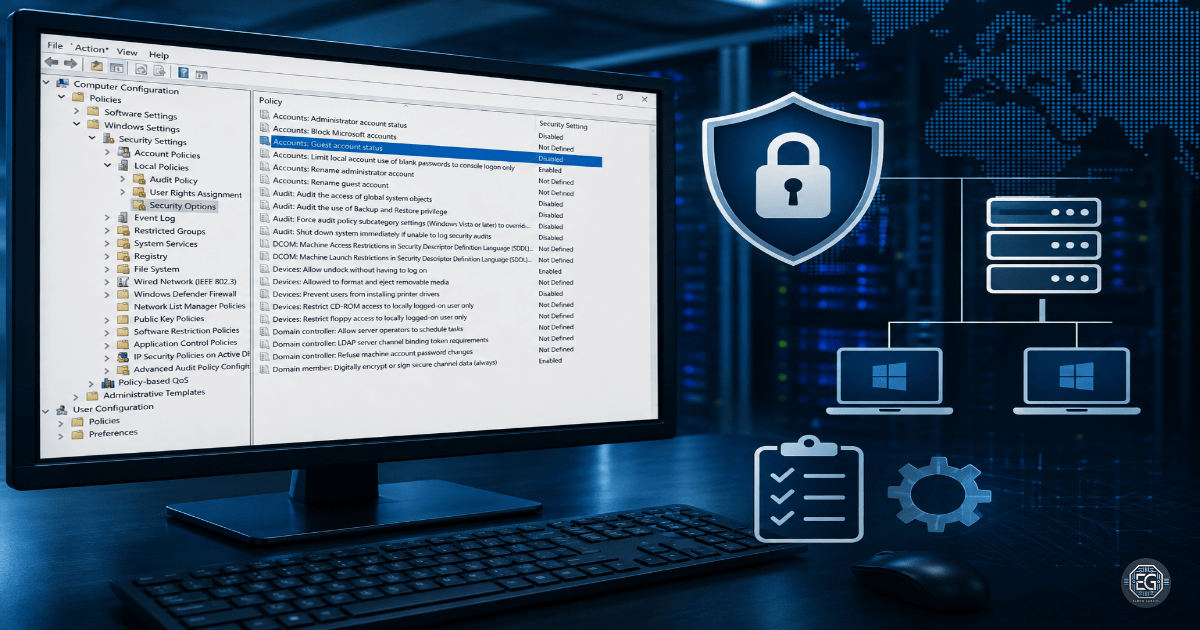
Deployment and validation of a centralized Group Policy Object to secure the built-in Guest account status across domain-joined Windows assets.
REPORT – Windows Server Active Directory Deployment Framework – v1.0.2
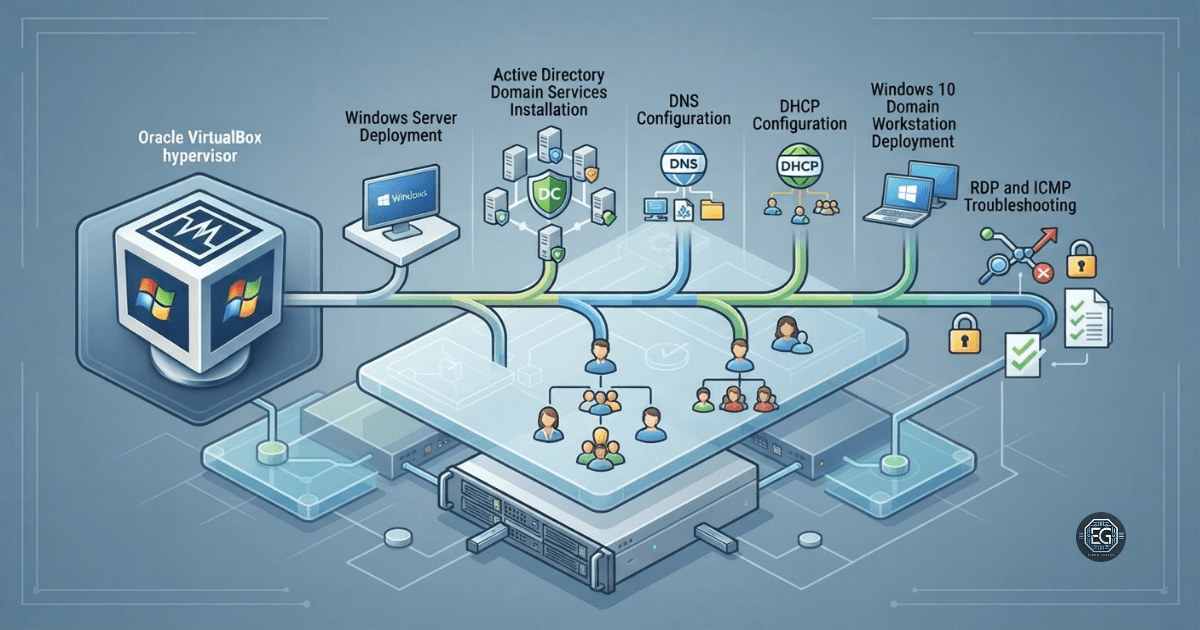
Documentation of an enterprise Windows Server Active Directory deployment framework with domain services, workstation deployment, connectivity validation, and troubleshooting workflows built on Oracle VirtualBox.
REPORT – Ubuntu Server Administration Documentation Framework – v1.0.0
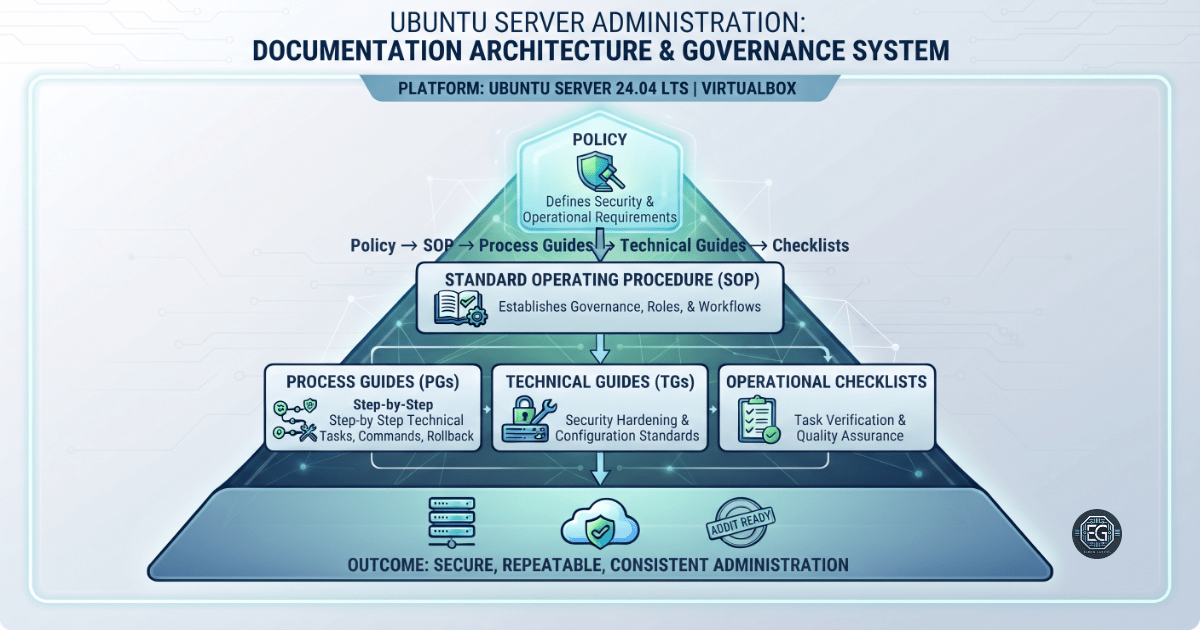
Documentation of the engineering and development of an enterprise-grade Standard Operating Procedure (SOP) framework for Ubuntu Server 24.04 LTS.
REPORT – AIDE Integrity Monitoring Remediation on Ubuntu Server 24.04 LTS – v1.0.0
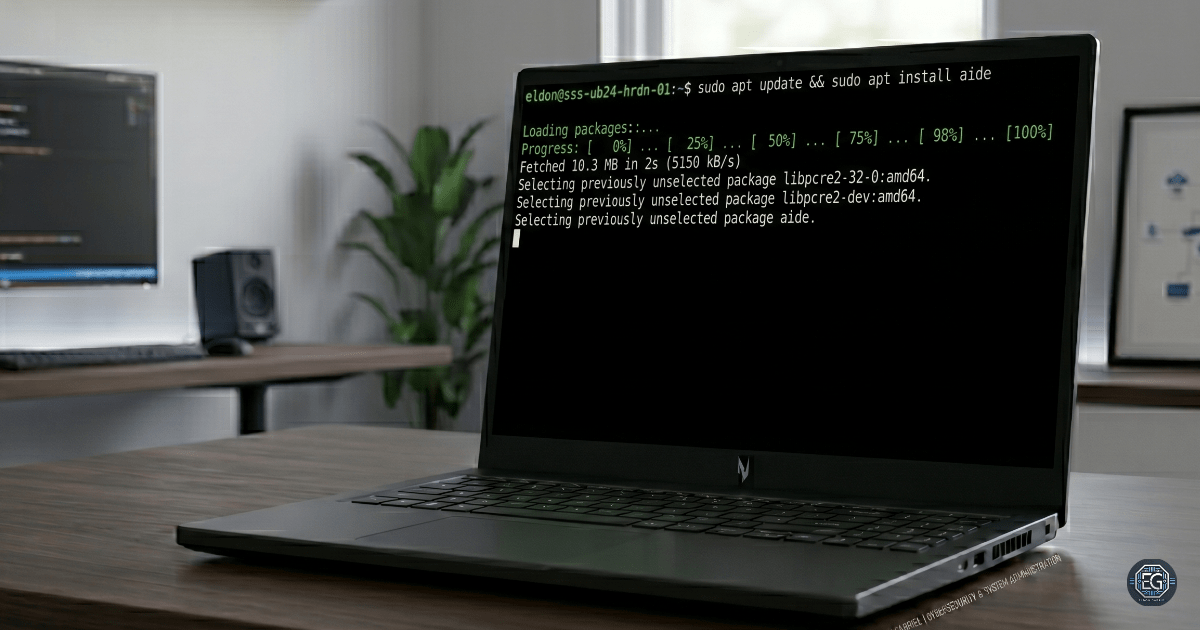
Technical remediation of AIDE configuration errors causing memory exhaustion and scan instability on Ubuntu 24.04.
REPORT – SSH Systemd Service Stabilization and Socket Activation Recovery – v1.0.0
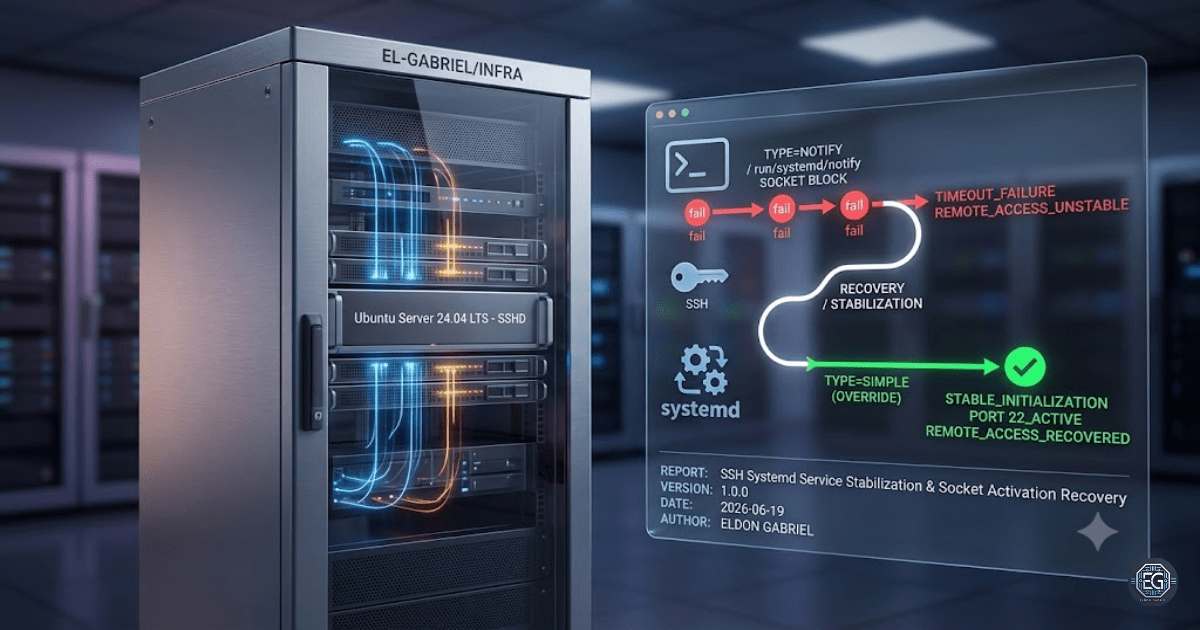
Technical implementation of diagnosing and stabilizing OpenSSH service failures caused by systemd configuration conflicts.
REPORT – SELinux Migration on Ubuntu Server 24.04 LTS – v1.0.0
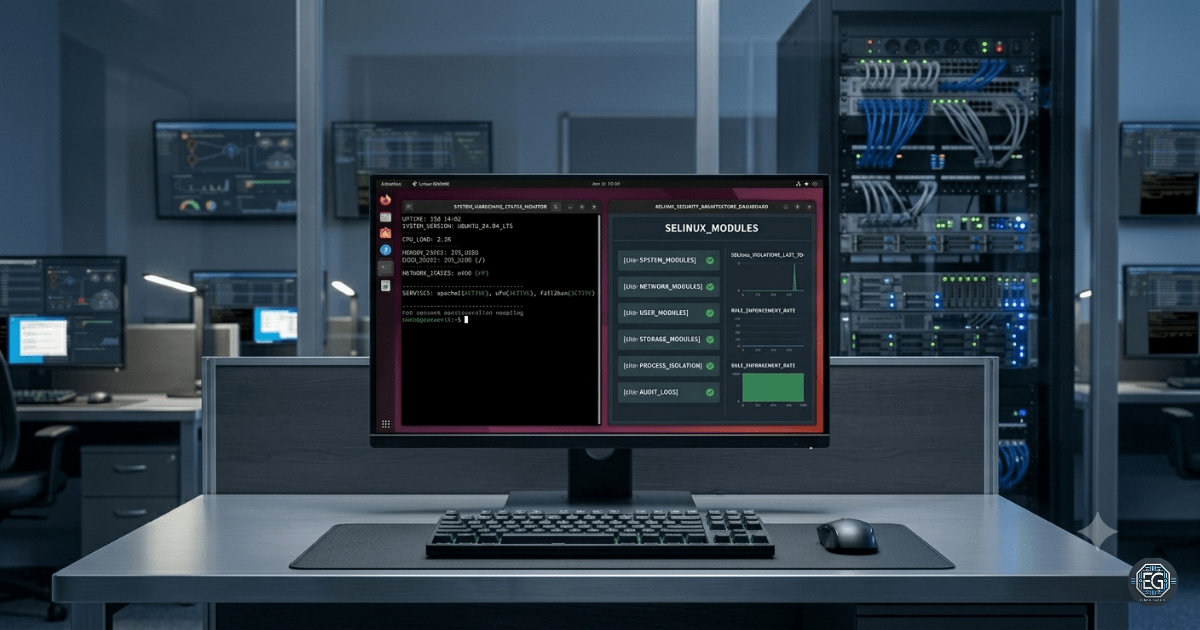
A technical report on migrating from AppArmor to SELinux on Ubuntu Server 24.04 LTS to enhance system security.
REPORT – Linux Hardening Framework – v1.0.0
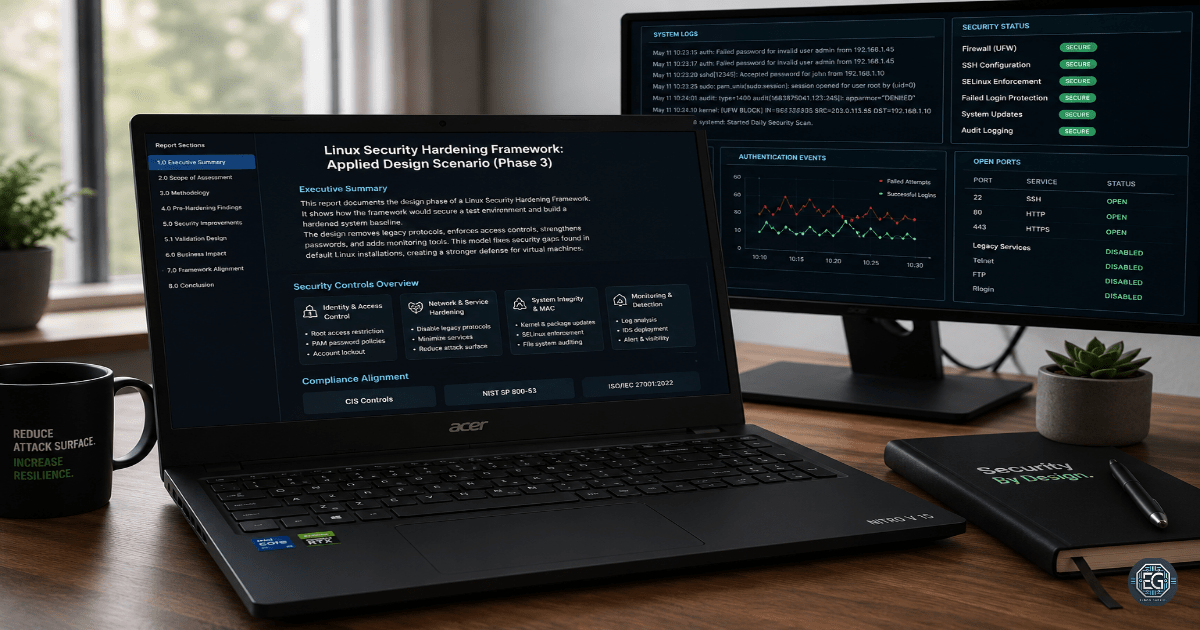
Phase 3 of a Linux security hardening framework showing how a structured design reduces risk and strengthens system baselines.
REPORT – Attack Surface Reduction and Service Hardening – v1.0.0
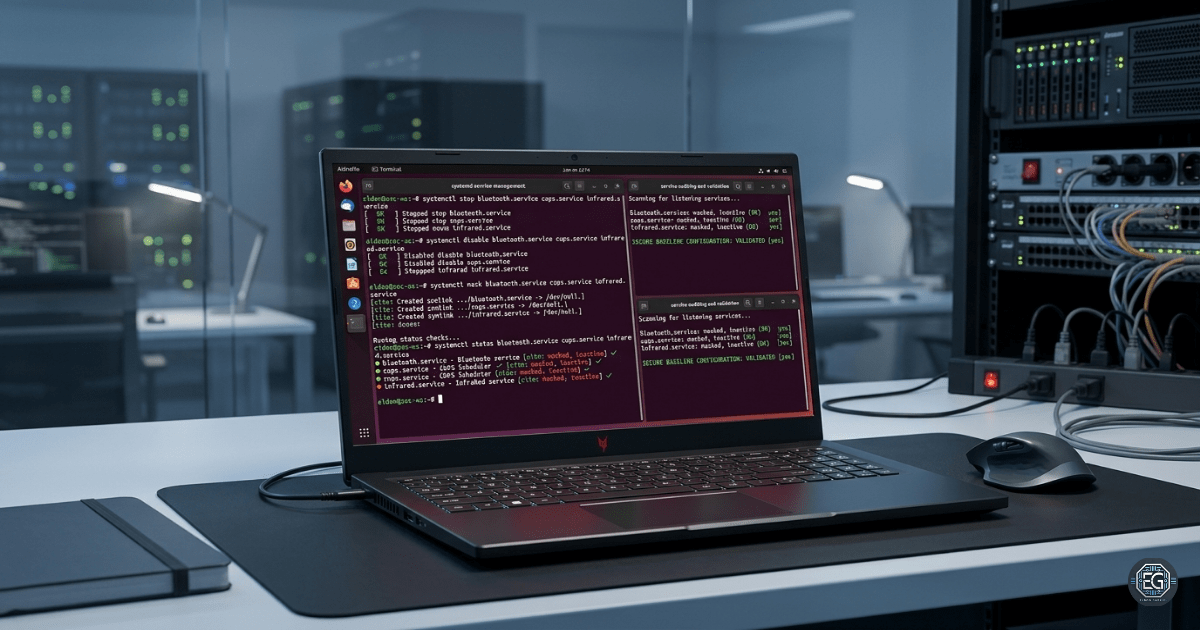
Technical implementation of attack surface. reduction by disabling and masking unnecessary system services on Ubuntu Server.
REPORT – Analyzing Legacy Network Services – v1.0.0
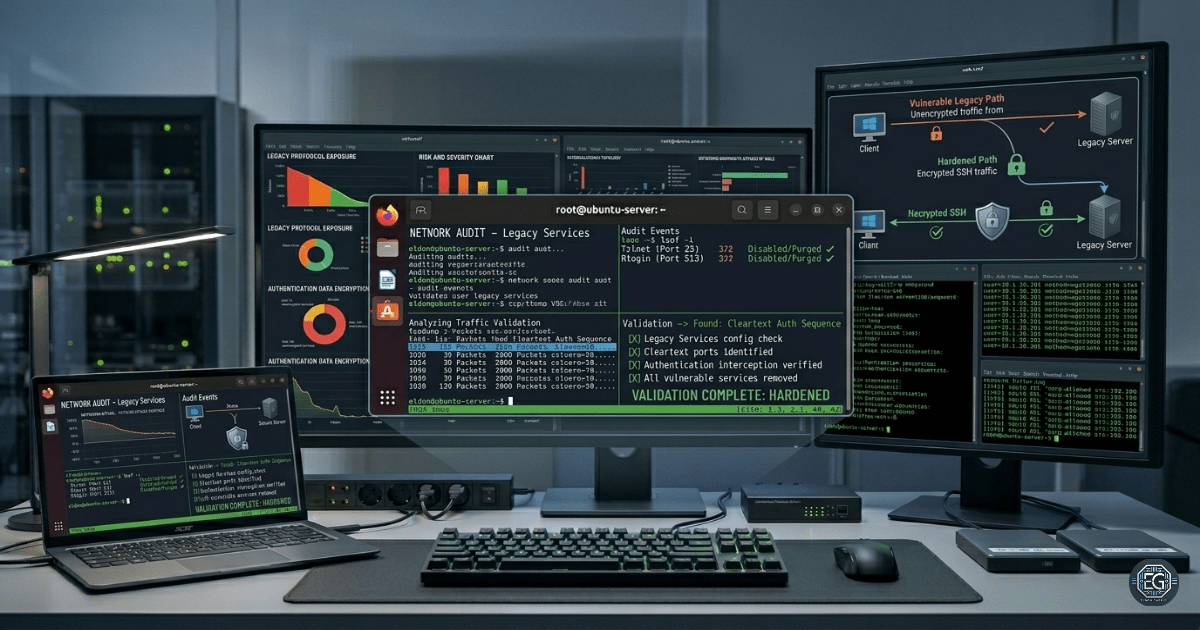
Technical implementation of a network service audit to demonstrate the risks of cleartext authentication protocols and network traffic interception.
REPORT – Network Service Auditing and Hardening – v1.0.0
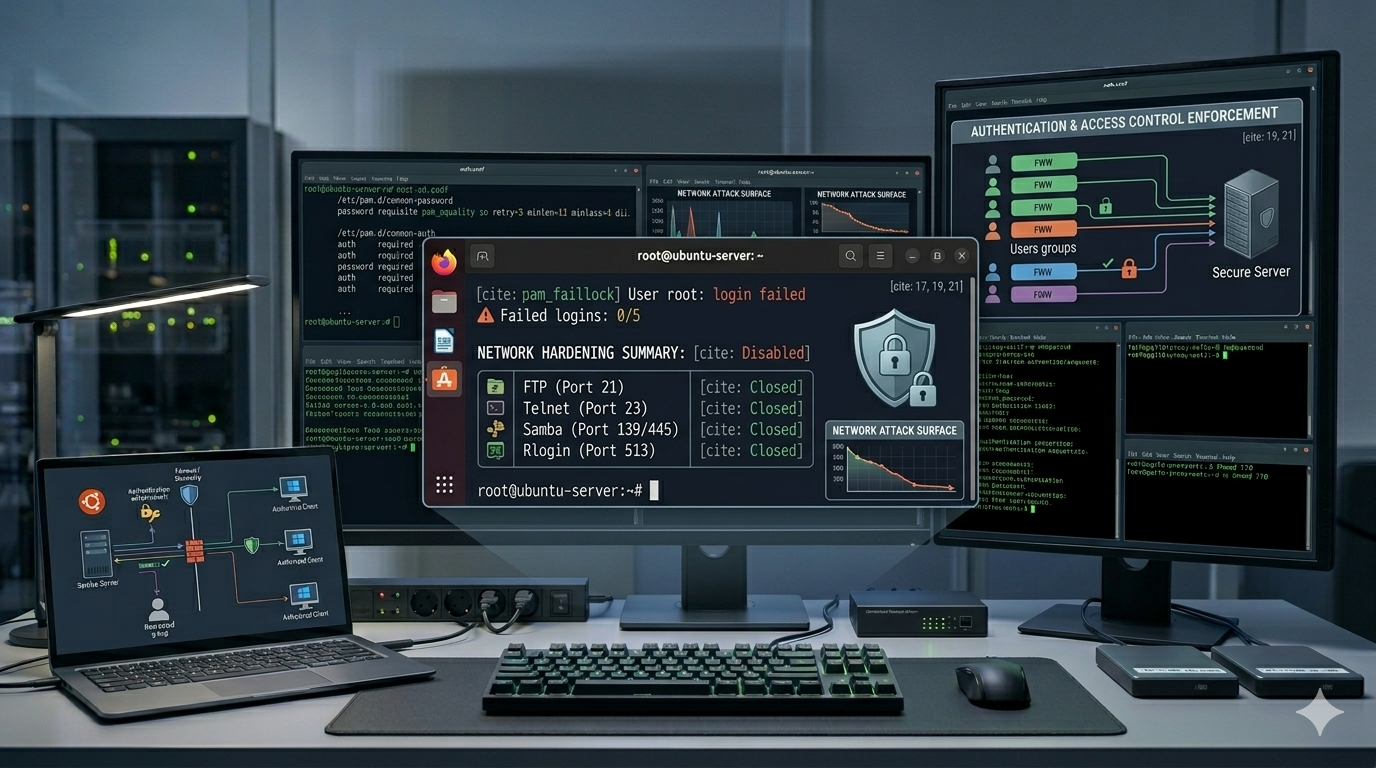
Technical implementation of network service auditing and the disabling of insecure legacy protocols to reduce system attack surface.